Black Friday Sale

VitalSleep $99.95

Shop Now →
Shop Black Friday Deals ›

60-Night Guarantee • Free U.S. Shipping

1-866-753-3780
Your cart is empty
Your Cart (0)

Best Remedies for Snoring: Natural, Medical, and Lifestyle Options to Try

Snoring is more than just an annoying nighttime noise—it can affect relationships, disturb sleep quality, and even signal more serious health conditions like sleep apnea. If you or someone you love snores, you’ve probably already searched for quick fixes or long-term solutions. 


The good news is, there are several remedies for snoring, ranging from simple lifestyle changes to medical treatments.

In this guide, we’ll explore the best remedies for snoring, break down what may help, and answer common questions people ask such as “What can help reduce snoring quickly?” or “Which devices are used to reduce snoring?”

Read more

Best Snoring Remedies for Better Sleep
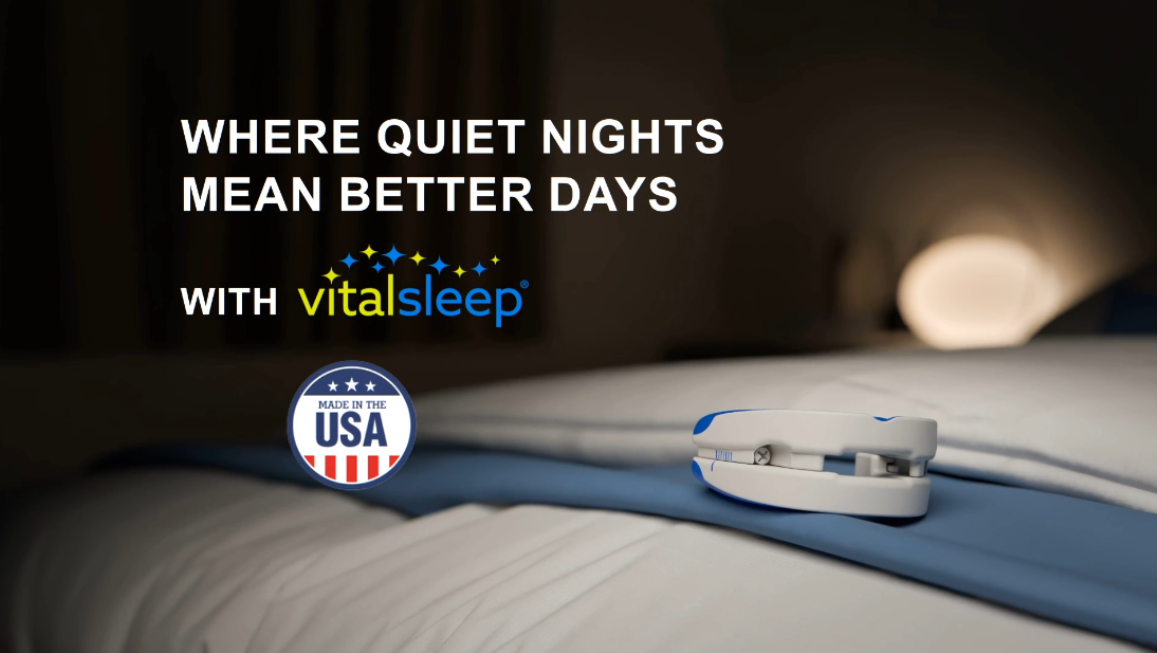
VitalSleep Anti-Snoring Mouthpiece

Understanding Why Snoring Happens

Before diving into the best remedies to help with snoring, it’s important to understand the cause. Snoring happens when airflow through the nose and throat is partially blocked, causing tissues to vibrate.


Common causes include:

  • Nasal congestion from colds or allergies
  • Sleeping on your back
  • Excess body weight
  • Alcohol consumption before bed
  • Aging (weaker throat muscles)
  • Structural problems (like a deviated septum or enlarged tonsils)

Knowing the cause makes it easier to choose the commonly used snoring remedies for your situation.

Best Natural Remedies for Snoring

If you’re looking for snoring remedies without medication or surgery, natural options are a great starting point.

  • Weight loss: Even small reductions can lessen throat pressure.
  • Change sleep position: Side sleeping prevents the tongue from collapsing into the airway.
  • Stay hydrated: Thick mucus worsens snoring, so drink water throughout the day.
  • Throat exercises: Singing, yoga breathing, and tongue stretches strengthen muscles.
  • Herbal support: Peppermint, ginger, and eucalyptus may ease nasal blockages.

These best natural remedies for snoring aren’t always instant, but they may help over time.

Quick Remedies That May Help Reduce Snoring
 

 Sometimes you just need relief right away—especially if your partner is tossing pillows at you. These quick remedies that may help reduce snoring can help:

  • Gently roll the snorer onto their side.
  • Use nasal strips or dilators to open nasal passages.
  • Elevate the head with an extra pillow or adjustable bed.
  • Run a humidifier to reduce airway irritation.

These may not solve the root cause, but they’re practical remedies for loud snoring at night when immediate peace is needed.

Best Home Remedies for Snoring Relief

You don’t always need expensive devices. Some of the best anti-snoring remedies at home are simple and inexpensive:

  • Steam inhalation before bed clears nasal passages.
  • Saline sprays moisturize and open nasal airways.
  • Peppermint oil rubs can soothe congestion.
  • Elevated sleeping position reduces airway collapse.

These best home remedies for snoring relief are easy to try and safe for almost everyone.

Remedies to Help Reduce Snoring Long-Term

For those wondering how to reduce snoring over time, here are remedies that may help reduce snoring over the long haul:

  • Adopt a consistent sleep schedule.
  • Reduce alcohol and sedative use.
  • Quit smoking to improve airway function.
  • Exercise regularly—even walking helps reduce snoring.
  • Treat underlying allergies or sinus problems.

These lifestyle-based solutions are some of the commonly suggested snoring remedies because they address common causes of snoring.


Snoring Remedies for Couples and Partners

Snoring often impacts more than one person. Bed partners usually suffer the most. That’s why snoring remedies for couples and partners are so important:

  • Earplugs or white noise machines for the non-snorer.
  • Separate sleep positions that reduce disturbances.
  • Oral appliances (mandibular advancement devices) that hold the lower jaw forward.
  • Clear communication: Addressing snoring as a health issue, not just a nuisance.

Couples who work together often find the best snoring remedies for better sleep and stronger relationships.

Remedies for Women Who Snore

Women snore too, especially during pregnancy or menopause. The natural remedies that may help reduce snoring for women include:

  • Sleeping on the side (especially during pregnancy).
  • Using nasal dilators to ease breathing.
  • Managing weight gain gently with diet and light exercise.
  • Practicing yoga breathing to support airway strength.

These are easy remedies to reduce snoring that also support overall health.

VitalSleep: Comfortable Anti-Snoring Solution

VitalSleep is an FDA-cleared mouthpiece made to reduce snoring. It gently holds your lower jaw forward while you sleep. It molds to your teeth for a comfortable fit. Individual results may vary. Here is how it works:

Custom Fit for Comfort

VitalSleep uses a simple boil-and-bite molding process to create a personalized fit for your teeth and mouth shape. The goal is a comfortable fit made for you.

Adjustable Jaw Positioning

Equipped with the patented Accu-Adjust System, VitalSleep lets you adjust the lower-jaw position with the included hex wrench. You set it for your comfort.

Materials

VitalSleep is FDA-cleared to reduce snoring and is made from BPA-free materials. Designed for nightly use, it is built for regular wear.

Remedies for Men Who Snore 

Men are more likely to snore due to neck size, alcohol use, and higher rates of sleep apnea. The commonly used snoring remedies for men include:

  • Avoiding alcohol 3–4 hours before bed.
  • Using an oral mouthpiece to reposition the jaw.
  • Maintaining a healthy weight.
  • Seeking medical evaluation if symptoms suggest sleep apnea.

These best remedies to help with snoring may help men who snore.

Medical and Device-Based Remedies

Sometimes natural or home remedies aren’t enough, and stronger interventions are needed. The commonly used snoring remedies from a medical standpoint include:

  • Mandibular advancement mouthpieces – move the lower jaw forward during sleep.
  • Tongue stabilizing devices – prevent the tongue from collapsing.
  • Nasal strips and dilators – especially for congestion-related snoring.
  • CPAP machines – prescribed by doctors for sleep apnea.
  • Surgery (for severe cases) – like septoplasty or tissue reduction procedures.

These are options a doctor may recommend for chronic and severe cases.

When to Seek Professional Help

If snoring is loud, nightly, or paired with breathing pauses, choking, or daytime exhaustion, it may be more than just snoring—it could be sleep apnea. In this case, professional evaluation is crucial.


Doctors may recommend sleep studies, oral appliances, or CPAP therapy. A doctor can tell you which option is right for you.

Conclusion

Designed for nightly use, VitalSleep is simple to mold, adjust, and clean. Its durable material is made for nightly wear, making it easy to incorporate into your bedtime routine.

Frequently Asked Questions

Which devices are used to reduce snoring?

Mouthpieces, also known as mandibular advancement devices (MADs), are a widely used option for snoring. They move the lower jaw forward during sleep. Individual results vary.

How to treat snoring in kids?

Child snoring treatments vary depending on the cause and severity, but often include lifestyle changes, medication, or surgery. Common approaches include promoting good sleep hygiene, addressing allergies or congestion, and in some cases, surgical removal of tonsils and/or adenoids. 

VitalSleep is not for anyone under the age of 18. Talk to your child's doctor about snoring in children.

How does it differ from other products?

VitalSleep is FDA-cleared to reduce snoring. It gently holds your lower jaw forward while you sleep. You can adjust the lower-jaw position for comfort. Individual results may vary. VitalSleep is not intended to treat sleep apnea.

Contraindications: Do not use if you have central sleep apnea, severe respiratory disorder, loose teeth or advanced periodontal disease, temporomandibular disorder, have a dental implant less than 1 year old or are under the age of 18.

Warnings: Use of this device may cause tooth movement, bite changes, tooth or gum soreness, pain or soreness to the jaw, obstruction of oral breathing, and excessive salivation.

This information is included with your order.

Does snoring mean sleep apnea?

No, snoring does not automatically mean you have sleep apnea, but loud, disruptive snoring with pauses in breathing, gasping, or snorting is a major warning sign of Obstructive Sleep Apnea (OSA). While all people with sleep apnea tend to snore, many people snore without having sleep apnea. If you experience these other symptoms, or if your snoring is particularly loud or disruptive to your sleep or bed partner, you should consult a doctor for a proper diagnosis, often involving a sleep study. 

How much weight do I need to lose to reduce snoring?

You don't need to lose a massive amount of weight to see snoring improvement; even a loss of 5 to 10 pounds may reduce snoring, and a 10% body weight loss is often considered a significant threshold for health benefits, including better breathing and open airways. Losing weight reduces fatty tissue in the neck and upper airway, which decreases obstruction and snoring. However, weight loss isn't a cure-all, as other factors like structural issues or smoking can also cause or contribute to snoring, so consulting a doctor or otolaryngologist is recommended to determine the best approach for you.

Do nasal strips actually help with snoring?

Yes, nasal strips can help reduce snoring by physically widening the nostrils and nasal passages, which improves airflow and decreases the turbulence that causes snoring. They are a non-invasive, drug-free option that can provide temporary relief for snoring caused by nasal congestion from colds, allergies, or a deviated septum. However, they are not a cure for underlying conditions like sleep apnea and may not be effective if the strips fall off or if the snoring is not due to nasal obstruction.

What can I do to help reduce snoring?

These tips may help reduce snoring:

  • If you're overweight, lose weight. ...
  • Sleep on your side. ...
  • Raise the head of your bed. ...
  • Nasal strips or an external nasal dilator. ...
  • Treat nasal congestion or obstruction. ...
  • Limit or avoid alcohol and sedatives. ...
  • Quit smoking. ...
  • Get enough sleep. 

Sources

Epstein, L. J., Kristo, D., Strollo, P. J., Friedman, N., Malhotra, A., Patil, S. P., Ramar, K., Rogers, R., Schwab, R. J., Weaver, E. M., Weinstein, M. D. (2009). Clinical guideline for the evaluation, management, and long-term care of obstructive sleep apnea in adults. Journal of Clinical Sleep Medicine, 5(3), 263–276. https://doi.org/10.5664/jcsm.27497

Randerath, W. J., Verbraecken, J., Andreas, S., Bettega, G., Boudewyns, A., Hamans, E., Montserrat, J. M., … McNicholas, W. T. (2011). Non-CPAP therapies in obstructive sleep apnoea. European Respiratory Journal, 37(5), 1000–1028. https://doi.org/10.1183/09031936.00099710

Schwartz, M., Acosta, L., Hung, Y. L., Padilla, M., Enciso, R. (2018). Effects of CPAP and mandibular advancement device treatment in obstructive sleep apnea patients: A systematic review and meta-analysis. Sleep Breath, 22, 555–568. https://doi.org/10.1007/s11325-017-1615-2

Johal, A., & Battagel, J. M. (2001). An investigation into the changes in airway dimension and the efficacy of mandibular advancement appliances in subjects with obstructive sleep apnoea. British Journal of Orthodontics, 28(2), 117–125. https://doi.org/10.1093/bjo/28.2.117

Ramar, K., Dort, L. C., Katz, S. G., Lettieri, C. J., Harrod, C. G., Thomas, S. M., Chervin, R. D. (2015). Clinical practice guideline for the treatment of obstructive sleep apnea and snoring with oral appliance therapy. Journal of Clinical Sleep Medicine, 11(7), 773–827. https://doi.org/10.5664/jcsm.4858


VitalSleep should not replace medical treatment prescribed by your healthcare provider. If you suspect you may suffer from obstructive sleep apnea or another serious sleep disorder, consult a qualified medical professional for proper evaluation and care.