

What is the Best Overall CPAP Alternative?
Mandibular Advancement Devices (MADs). Silent, portable mouthpieces that hold the jaw forward to keep the airway open.

|
|
Time to read 22 min
Mandibular Advancement Devices (MADs). Silent, portable mouthpieces that hold the jaw forward to keep the airway open.
Yes. Mild to moderate cases are often treated effectively with oral appliances (mouthpieces). Severe cases may require weight loss medications or surgical implants.
Oral appliances generally have a 60–80% success rate. Surgical implants like Inspire have shown success rates as high as 68% in clinical trials.
Only if they are FDA-cleared Mandibular Advancement Devices (MADs). Simple drugstore "snore guards" are often not effective.
Getting a good night of sleep can be a challenge, especially if you are suffering from sleep apnea. And while continuous positive airway pressure (CPAP) therapy is an effective solution that helps many and is considered the "gold standard" (Source: Proceedings of the American Thoracic Society), it is not ideal for everyone. If you are struggling with CPAP therapy and or looking for alternatives this article is for you. There are many effective solutions for patients for whom CPAP machines just don't work due to their lifestyle or comfort needs.
Studies consistently show that long-term adherence to CPAP is difficult, with nearly 50% of patients abandoning therapy within the first year due to discomfort, claustrophobia, or noise (Source: Journal of Otolaryngology).
The good news? The landscape of sleep medicine has changed drastically in the last few years.
It is no longer a binary choice between "wear the mask" or "suffer from apnea." From molded oral appliances to revolutionary daytime therapies and new weight-loss medications, there are now FDA-cleared, clinically proven ways to keep your airway open without being tethered to a bedside console (one of them being the FDA-cleared VitalSleep Anti Snoring Mouthpiece).
This guide analyzes the most effective CPAP alternatives available in 2026, helping you find the solution that fits your anatomy and your lifestyle.
Before you pick a CPAP alternative, you need to know what you're treating. Snoring and sleep apnea aren't the same thing. Snoring is noise from tissue that vibrates. Sleep apnea means your breathing actually stops or gets shallow, again and again, all night.
A sleep study measures this with your apnea-hypopnea index (AHI). That's how many times per hour your breathing stops or drops. Most CPAP alternatives are made for a specific range:
| AHI (events per hour) | What it means | Options that fit |
|---|---|---|
| Under 5 | Normal breathing (you may still snore) | Snoring mouthpiece, lifestyle changes |
| 5 to 14 | Mild sleep apnea | Dentist-fitted oral appliance, positional therapy, eXciteOSA |
| 15 to 29 | Moderate sleep apnea | Oral appliance, Inspire or Genio, Zepbound (with obesity) |
| 30 or more | Severe sleep apnea | CPAP first; then Inspire, Genio, Zepbound or surgery |
Loud snoring with gasping, choking or long pauses is a warning sign. So is waking up tired after a full night. If that sounds like you, take our Do I Have Sleep Apnea? self-check and talk to a doctor. If you only snore, see how a snoring mouthpiece compares to CPAP.
For mild to moderate Obstructive Sleep Apnea, Mandibular Advancement Devices (MADs) are the most common and effective alternative to CPAP (Mandibular Advancement Device for Sleep Apnea).
An MAD looks similar to a sports mouthguard or a retainer. It is worn over the teeth while you sleep and works by gently holding your lower jaw (mandible) in a forward position. This forward advancement prevents the soft tissues at the back of your gum from collapsing and your tongue from slipping backward, thereby blocking your airways. These are the primary causes of obstruction in most apnea cases.
While a CPAP machine is technically more effective at forcing an airway open with air pressure, studies published in the American Journal of Respiratory and Critical Care Medicine (Source) have shown that health outcomes between CPAP and oral appliances are often similar.
Why? Compliance. Because oral appliances are silent, portable, and non-invasive, patients wear them significantly more often than CPAP masks.
Even the most advanced, optimal treatment is useless if it is not constantly used. In simple terms: Having a seatbelt in your car is pretty useless in the event of an accident unless you actually wear it! It's the same with CPAP and this is one of the reasons why so many people look for CPAP alternatives.
Thus, a device that is 80% effective, such as an MAD, but that you end up wearing every night and all night long is infinitely better than a 100% effective machine that sits in your closet.
Another aspect are cost: CPAP machine prices typically range from $500 to $2,000 for standard models. While your insurance provider may cover some of that cost, depending on your plan you may still end up paying quite a bit. Our bestselling USA Made and FDA-Cleared Anti Snoring Mouthpiece costs a fraction of that. And best of all - if you (or your partner) doesn't like it you can return it within 60 days (backed by our money-back guarantee).
Half of CPAP users quit inside a year. That is the whole argument for an oral appliance, and it is also the argument against most mouthpieces, which lock you into one fixed jaw position you cannot change when it hurts.
The VitalSleep adjustable mandibular advancement device moves the lower jaw forward in small increments, so you can back off the moment it feels like too much and still keep the airway open. No power, no hose, no distilled water. It fits in a pocket.
See how VitalSleep worksFDA-cleared for snoring reduction. Made in the USA. 60 nights to decide.
If you hate the "forced air" sensation of CPAP but also find mandibular advancement devices uncomfortable on your jaw, Oral Negative Pressure Therapy might be the middle ground you are looking for. The leading device in this category is the iNA.
Think of CPAP as a leaf blower that pushes your airway open with positive pressure. iNAP is the opposite—it uses a vacuum (negative pressure).
You place a small, soft oral interface in your mouth which connects to a quiet console. The device gently suctions the air out of your oral cavity, creating a vacuum that pulls your tongue and soft palate forward toward your teeth, effectively clearing the airway. Because it doesn't require a mask strapped to your head or forced air blowing up your nose, many users find it significantly less claustrophobic.
While iNAP offers a unique "mask-free" experience, it has distinct limitations that often lead to user frustration.
The most common complaint is saliva management; because the device creates a vacuum in the oral cavity, it can stimulate excess saliva production, which the machine then has to suction away into a collection container. Many users find the sensation of saliva pooling or being suctioned out disruptive to sleep. Additionally, the device requires you to maintain a perfect lip seal all night. If your lips part even slightly during deep sleep, the vacuum seal breaks, the machine may become noisy as it attempts to re-seal, and the therapeutic effect is lost. Consequently, it is generally ineffective for mouth breathers or anyone with chronic nasal congestion, as you must be able to breathe 100% through your nose for the vacuum to work. Some users also report tongue or gum soreness from the constant negative pressure pulling on soft tissues.
For decades, doctors have told sleep apnea patients to "just lose weight," a directive that is often easier said than done (Can losing weight cure sleep apnea?). However, the introduction of GLP-1 receptor agonists has fundamentally shifted how we treat obesity-related sleep apnea.
Medications such as Zepbound (tirzepatide) and Wegovy (semaglutide) have moved beyond simple weight management and are now front-line considerations for treating Obstructive Sleep Apnea.
The landmark SURMOUNT-OSA clinical trial (published in the New England Journal of Medicine) found that tirzepatide significantly reduced the Apnea-Hypopnea Index (AHI) in obese patients. The drug doesn't just reduce neck circumference; it alters metabolic drivers of inflammation that can worsen airway collapse.
While a pill or injection isn't a mechanical "stent" for your airway like a CPAP or oral appliance, it treats the root cause for many patients. If your sleep apnea is primarily driven by weight, consulting your doctor about these medications could potentially lower your AHI to a point where less invasive therapies become fully effective—or eliminate the need for therapy altogether.
In December 2024, the FDA approved Zepbound as the first prescription medicine for moderate to severe OSA in adults with obesity. Want to know how much weight loss it takes? Read How Much Weight You Need to Lose to Get Off CPAP.
Imagine treating your sleep apnea while you cook dinner or check your emails, leaving you free to sleep with nothing on your face at night. This is the promise of daytime therapy sleep apnea solutions.
Unlike CPAP or mouthguards which act as a crutch to hold the airway open during sleep, these solutions act as a gym workout for your tongue. The theory: You place a device in your mouth for 20 minutes a day for six weeks. This device delivers mild electrical muscle stimulation (EMS) that improves the endurance of the genioglossus muscle (the muscle that keeps your tongue from falling back).
It is important to manage expectations with the daytime treatment approach: this therapy is worth considering for mild obstructive sleep apnea. It is not a quick fix for severe cases. However, for those who simply cannot tolerate the sensation of a mask or mouthpiece while sleeping, committing to a 20-minute daily regimen may be a good start.
The FDA authorized eXciteOSA in 2021 for snoring and mild sleep apnea only (AHI under 15). You use it 20 minutes a day for six weeks, then once a week. Get the full breakdown in our eXciteOSA guide.
For patients with moderate to severe apnea who cannot tolerate CPAP or oral appliances, surgical intervention has become much more sophisticated and successful in recent years.
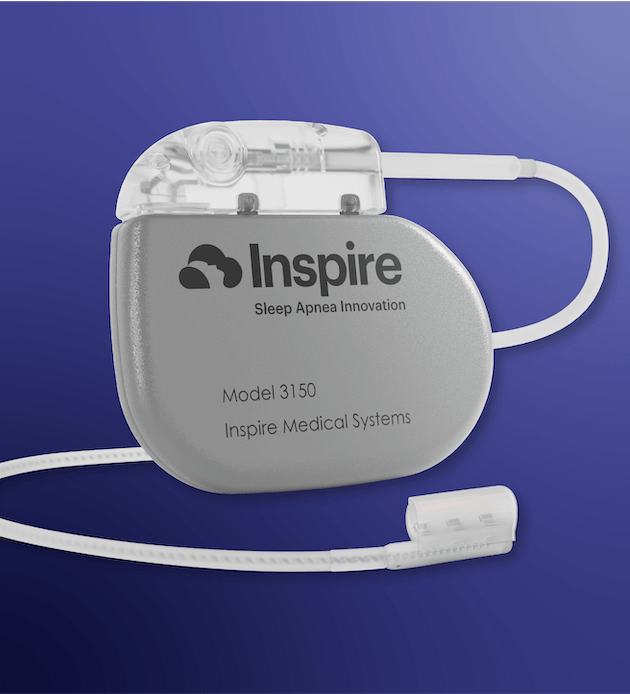
Often referred to as a "pacemaker for the tongue," Inspire is an implantable device placed under the skin of the chest with a lead connecting to the hypoglossal nerve (which controls tongue movement).
You turn the device on with a remote before bed. It monitors your breathing and delivers mild stimulation to the nerve, causing the tongue to move forward out of the airway every time you take a breath. The STAR clinical trial showed a 68% reduction in apnea events, making this a highly effective option for those who qualify (typically requires a specific BMI and airway anatomy).
Key Features:
Implantable hypoglossal nerve stimulation device that activates airway muscles
Remote control allows patients to turn therapy on/off
Battery-powered system with 10+ year lifespan
Clinically proven effective for moderate to severe obstructive sleep apnea
No external equipment, CPAP mask, or mouth guard required
Pros:
Highly effective alternative for moderate to severe OSA
No nightly equipment to wear or maintain
Preserves natural sleeping position and movements
Long-term solution with proven durability
Covered by most insurance plans after approval
Significant improvement in quality of life measures
No risk of equipment failure during travel
Addresses upper airway collapse through targeted soft tissue stimulation
Cons:
Requires surgical treatment and implantation procedure
Most expensive option with high upfront costs
Not suitable for all patients (requires specific anatomy)
Potential surgical risks and recovery time
Battery replacement surgery needed after 10+ years
Requires sleep study and extensive evaluation process
Not appropriate for patients with central sleep apnea
Inspire is for adults with moderate to severe OSA (AHI 15 to 100) who have tried CPAP and couldn't use it (Inspire indications). Learn more in What Is Inspire for Sleep Apnea?
Genio also stimulates the nerve that moves your tongue. The difference? Its small implant sits under your chin and has no battery inside. You wear a small patch on your chin at night to power it.
Genio, made by Nyxoah, received FDA approval in August 2025. It's for adults with moderate to severe OSA (AHI 15 to 65), a BMI of 35 or less, and who can't use CPAP. It's still new in the U.S., so ask your doctor how many surgeons near you offer it.
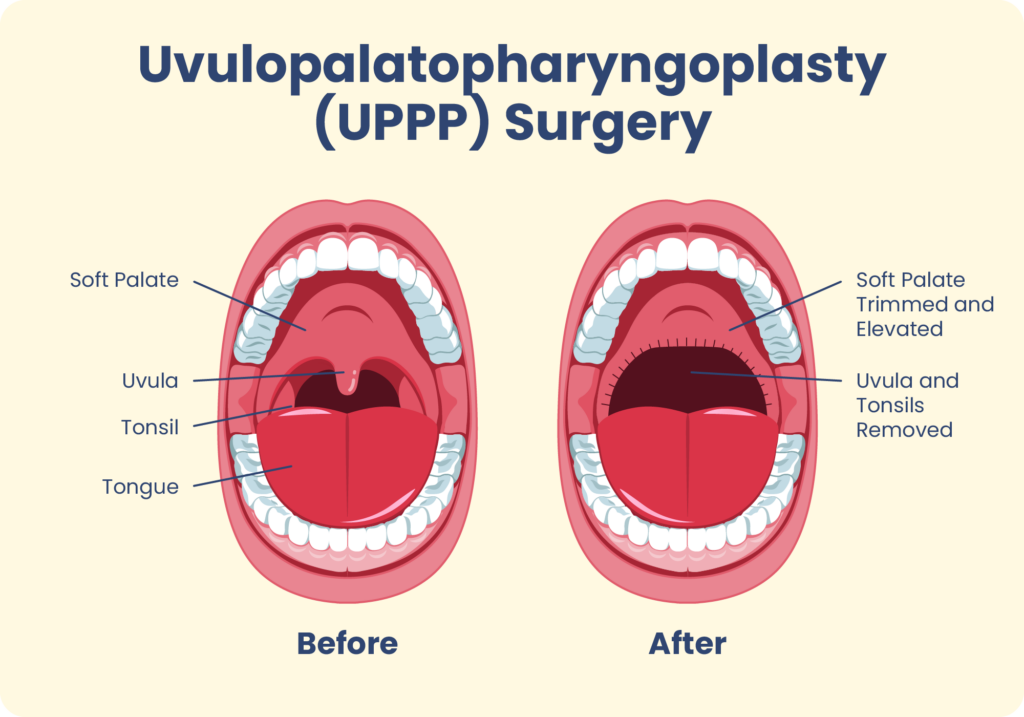
Traditional surgeries like UPPP (removing excess tissue from the throat) and MMA (surgically breaking and moving the jaw forward) are still performed, but they are invasive and have longer recovery times. They are usually reserved for cases where anatomy specifically requires correction.
While surgery can certainly be effective in treating sleep apnea, it is no guarantee for success either. Also, of all CPAP alternatives listed in this article, this is the most drastic, most invasive approach. So while this may be ideal for some patients, we would generally only recommend it as a "last resort" - one to consider where other options have failed.
Key Features:
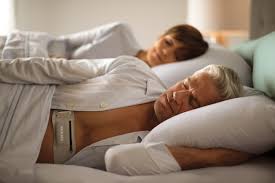
Wearable device that prevents supine (back) sleeping position
Gentle vibration alerts when you roll onto your back during sleep
Smartphone app connectivity for tracking sleep quality
Rechargeable battery with multi-night use
Comfortable chest or back-worn design
Why it's best for this specific case: For the estimated 50-60% of sleep apnea patients whose condition is primarily position-dependent, these devices can be remarkably effective. Research shows that preventing supine sleeping can reduce AHI by 50% or more in appropriate candidates, providing better sleep without the complexity of CPAP machines.
Who it's best for: Patients whose OSA is significantly worse when sleeping on their back, those who want to avoid oral appliances or surgical options, or anyone seeking a simple, non-invasive alternative treatment.
Price range: $200-$500
One of the most common reasons patients dump their CPAP machines is travel. Dragging a humidifier, hose, mask, and power cord through TSA security is a hassle. If you are a frequent flyer, camper, or road-tripper, here is how the alternatives stack up:
Mandibular Advancement Devices: The Gold Standard for Travel. They fit in a pocket, require no electricity, and need no distilled water. You can use them on a plane, in a tent, or at a hotel without hunting for an outlet.
EPAP Valves (e.g., Bongo Rx): These tiny nasal plugs use your own breath to create pressure. They are the size of a coin and completely disposable or reusable.
Travel CPAP Machines: Smaller than home units but still require power and distilled water (or waterless humidification tablets). They are lighter but still take up luggage space.
Positional Therapy (Belts): Very portable, but often require charging and can be bulky to pack depending on the design.
Flying: U.S. airlines generally treat a CPAP as a medical device, so it usually doesn't count toward your carry-on limit. Check your airline's rules first, especially if you plan to use it on the plane.
Camping: No outlet? Bring a battery pack made for CPAP and turn off the humidifier to make the charge last. A solar charger helps on longer trips.
The easy option: Many travelers keep their CPAP at home and bring a dentist-fitted oral appliance instead. Ask your doctor first to make sure it works for your level of apnea.
Finding the right CPAP alternative isn't just about comfort - it's about finding a sleep apnea treatment you'll actually use consistently to address your sleep disorders. The harsh reality is that CPAP therapy compliance rates are disappointingly low, with studies showing that 25-50% of patients struggle with regular use. This creates a dangerous situation where patients have a diagnosis but no effective treatment for their obstructive sleep apnea.
The mechanism behind why CPAP alternatives work varies by type of intervention. Oral appliances work by gently repositioning your lower jaw forward, which pulls the tongue and surrounding soft tissue away from the back of your throat. This mechanical advancement keeps your upper airway open without requiring continuous positive airway pressure. For many patients with mild sleep apnea to moderate OSA, this approach is just as effective as CPAP machines.
Here's why choosing the right alternative matters: untreated sleep apnea symptoms significantly increase your risk of cardiovascular disease, high blood pressure, stroke, diabetes, and accidents due to daytime sleepiness. A CPAP alternative that you use every night for better sleep is infinitely better than CPAP therapy that sits unused in your closet. Research shows that oral appliances, while potentially less effective at reducing AHI numbers, often achieve similar improvements in quality of life because of higher compliance rates.
The key is matching the alternative treatment to your specific type and severity of OSA. Position-dependent obstructive sleep apnea responds well to positional therapy, while anatomical obstructions in the upper airway might require surgical treatment. Risk factors like obesity may influence which interventions are most appropriate. Understanding your individual needs through a comprehensive sleep study is crucial for selecting an effective CPAP alternative.
The most important consideration is whether the alternative treatment is appropriate for your level of obstructive sleep apnea. Mild sleep apnea (AHI 5-15) responds well to oral appliances and positional therapy, while severe obstructive sleep apnea cases (AHI >30) may require more aggressive interventions like hypoglossal nerve stimulation or surgical treatment.
Look for alternatives that you can realistically use every night for better sleep. This means considering factors like comfort, ease of use, and how the sleep apnea device fits into your lifestyle. An oral appliance that causes jaw pain or a positional device that constantly disrupts your sleep quality won't be effective long-term for treating sleep apnea symptoms.
The best CPAP alternatives offer some level of personalization to your individual anatomy and needs. Many oral appliances allow precise lower jaw advancement adjustments, while some positional therapy devices can be calibrated to your specific sleeping position patterns and movement during sleep.
Consider whether the alternative addresses your particular anatomical issues. If your OSA is caused by soft palate collapse, you might need different interventions than someone whose condition is primarily related to tongue position or enlarged tonsils. Some patients benefit from weight loss as an adjunct to other treatments, especially when obesity is a significant risk factor.
Consider the long-term costs and maintenance needs. Oral appliances typically last 12-18 months with proper care, while surgical options like UPPP or maxillomandibular advancement are permanent. Factor in replacement costs, cleaning requirements, and potential repairs when evaluating different treatment options.
Many patients choose CPAP alternatives specifically for travel convenience and to avoid the hassles of CPAP mask fitting and equipment transport. Consider whether the option requires electricity, special storage, or complex setup procedures that might interfere with your lifestyle or preferred sleeping position.
While many alternative treatments aren't covered by insurance like CPAP therapy, some options like Inspire or surgical procedures may be covered. Consider both upfront costs and ongoing expenses when making your decision. The FDA approval status of devices can also affect insurance coverage.
Evaluate the risk profile of each option. Oral appliances are completely reversible, while surgical treatments like UPPP are permanent. Consider your comfort level with different types of interventions and their potential side effects or complications.
Searches like "CPAP alternative Amazon" and "CPAP alternative near me" keep growing. Here's how to shop smart:
Look for FDA clearance. Real devices list it. If you can't find it, be careful.
Check what it's cleared for. Most mouthpieces sold online, including VitalSleep, are cleared for snoring, not sleep apnea.
Read the warranty and return terms. A good company stands behind its product.
In the UK, look for the UKCA or CE mark and ask your GP about NHS sleep services.
Near you, look for a dentist who is a member of the American Academy of Dental Sleep Medicine.
You may have seen social media ads for a "Swedish" no-mask CPAP alternative. We looked into it and couldn't find a Swedish device sold under that name with FDA clearance for sleep apnea.
Before you buy anything for sleep apnea, ask two questions. Is it FDA-cleared or approved? And is it cleared for sleep apnea, or just snoring? You can check any device in the FDA's public database or ask your doctor.
There is no single "best" alternative—only the one that works for your specific anatomy and lifestyle.
For the best balance of cost, effectiveness, and portability: Try an adjustable Mandibular Advancement Device (MAD). You can compare snoring mouthpieces side by side to find the right fit.
For mild apnea and "tongue training": Look into eXciteOSA.
For claustrophobia sufferers: Consider iNAP negative pressure therapy.
For severe apnea where CPAP failed: Consult an ENT about Inspire Therapy or GLP-1 medications.
Below is my summary review of each of the top 5 CPAP alternatives I reviewed. We sell one of them, so treat the VitalSleep row as our pitch rather than a neutral verdict. For the others, check the manufacturer's own site for current pricing and availability.
| Image | Product | |||
|---|---|---|---|---|
|
Our Top Pick

|
Our Top Pick
|
VitalSleep Anti-Snoring Mouthpiece
|
|
See how it works |
|
Best Budget

|
Best Budget
|
ZQuiet Anti-Snoring Mouthpiece
|
|
See the manufacturer's site |
|
Best High End
|
Best High End
|
Inspire Upper Airway Stimulation
|
|
Ask an ENT or sleep specialist |
|
|
Positional Sleep Therapy Device
|
|
Sold by several manufacturers |
|
|
Oral Surgery (UPPP/MMA)
|
|
Ask an ENT or sleep specialist |
2026 brings a range of innovative alternatives designed to improve sleep quality without the bulk or hassle of traditional CPAP therapy. Below are the top 5 CPAP alternatives to consider this year — from mouthpieces to positional devices and more.
Key Features:
Moldable thermoplastic that forms to your own bite
Adjustable lower jaw advancement in precise 1mm increments
BPA-free, latex-free materials
Works for both mouth and nose breathers
Professional-grade mandibular advancement device construction
It depends on the alternative treatment and your specific situation. For mild sleep apnea to moderate OSA, oral appliances can be just as effective as CPAP therapy when used consistently. Studies show that while continuous positive airway pressure may reduce AHI more dramatically, alternatives often achieve similar health benefits including improved blood pressure and quality of life due to higher compliance rates. The key is finding what you'll actually use every night for better sleep.
Coverage varies significantly. Most insurance plans don't cover over-the-counter oral appliances like VitalSleep, though some medical plans may cover dentist-made devices with FDA approval. Surgical treatments like UPPP and devices like Inspire are often covered when medically necessary and other interventions have failed. Check with your insurance provider about specific coverage policies for different treatment options.
The best alternative depends on your OSA severity, anatomical factors, lifestyle needs, and personal preferences. Position-dependent cases may benefit from positional therapy. Severe obstructive sleep apnea might require surgical options, hypoglossal nerve stimulation, or BiLevel therapy. A comprehensive sleep study and consultation with a sleep specialist can help determine the best approach.
Yes, and many patients do. It's common to start with less invasive alternative treatments like oral appliances and progress to more aggressive interventions if needed. Some patients even combine approaches - for example, using a molded oral appliance with positional therapy for maximum effectiveness, or combining weight loss with other treatments when obesity is a risk factor.
Most alternatives provide immediate results for sleep apnea symptoms. Oral appliances typically show benefits within the first few nights, though it may take 1-2 weeks to achieve optimal lower jaw adjustment. Positional therapy devices work immediately for appropriate candidates by maintaining proper sleeping position. Surgical treatments may take several weeks to months for full healing and maximum benefit to upper airway function.
The beauty of most alternative treatments is that they're reversible and allow you to try other options. If an oral appliance doesn't provide adequate improvement in sleep quality, you can try surgical options, return to CPAP therapy, or combine multiple approaches. This flexibility is one advantage over permanent surgical treatments like UPPP or maxillomandibular advancement.
Yes, but they're generally different from CPAP therapy side effects. Oral appliances may cause temporary jaw discomfort, tooth movement over time, or excessive salivation initially. Positional devices may disrupt sleep quality initially as you adjust to new sleeping positions. Surgical treatments carry risks of infection, bleeding, and other complications. However, you avoid common CPAP problems like CPAP mask discomfort, skin irritation, and equipment maintenance.
Some can, but treatment options are more limited. Inspire hypoglossal nerve stimulation is specifically approved for moderate to severe OSA, and certain surgical procedures can be effective for severe cases. However, oral appliances and positional therapy are generally not recommended as primary treatments for severe obstructive sleep apnea (AHI >30). BiLevel therapy might be considered before moving to surgical options.
Costs vary widely. Over-the-counter oral appliances are much less expensive upfront than CPAP machines, and there are no ongoing supply costs for CPAP mask replacements or equipment maintenance. However, they need replacement every 12-18 months. Surgical treatments and implantable devices have high upfront costs but no ongoing expenses. When you factor in CPAP supplies, maintenance, and replacement costs over time, many alternative treatments become cost-competitive. Check each seller's current pricing before you buy.
This varies by alternative treatment. Over-the-counter snoring mouthpieces like VitalSleep don't require a prescription, but they're cleared for snoring, not sleep apnea. It's wise to consult with a healthcare provider about your sleep apnea treatment plan. Dentist-made dental appliances, surgical procedures, and devices like Inspire all require prescriptions and medical supervision. FDA-approved devices may have different requirements than non-medical alternatives.
Emerging technologies show promise for certain patients with sleep disorders. ExciteOSA provides daytime tongue muscle stimulation, while EPAP devices create expiratory pressure to maintain airflow. Tongue retaining devices offer another option for patients who can't use traditional mandibular advancement devices. However, long-term effectiveness data is still limited compared to established treatments like dentist-fitted oral appliances or surgical options.
Yes. Oral appliances, Inspire, Genio, positional therapy and Zepbound all skip the mask. If you want to stay on CPAP, nasal pillows are a much lighter mask option.
Not for everyone. CPAP works very well when used every night. Inspire is for adults with moderate to severe OSA who couldn't tolerate CPAP. It requires surgery and specific medical criteria.
It usually refers to social media ads for a no-mask device. We couldn't find a Swedish device sold under that name with FDA clearance for sleep apnea. Check any device's FDA status and ask your doctor before you buy.
David Hernandez
David is the founder of VitalSleep.com. David has been helping his customers with their snoring issues since 2009.


