Shipping On Us for all orders
60-Day Money-Back Guarantee
Over 600,000 customers helped since 2011
Free Same-Day Shipping on all orders
·
60-Day Money-Back Guarantee
·
Over 600,000 customers helped since 2011
·
Your cart is empty
Your Cart (0)
2 VitalSleep Mouthpiece - 2 Sleep Masks, 2 Cleaning Brushes
$ 299.95
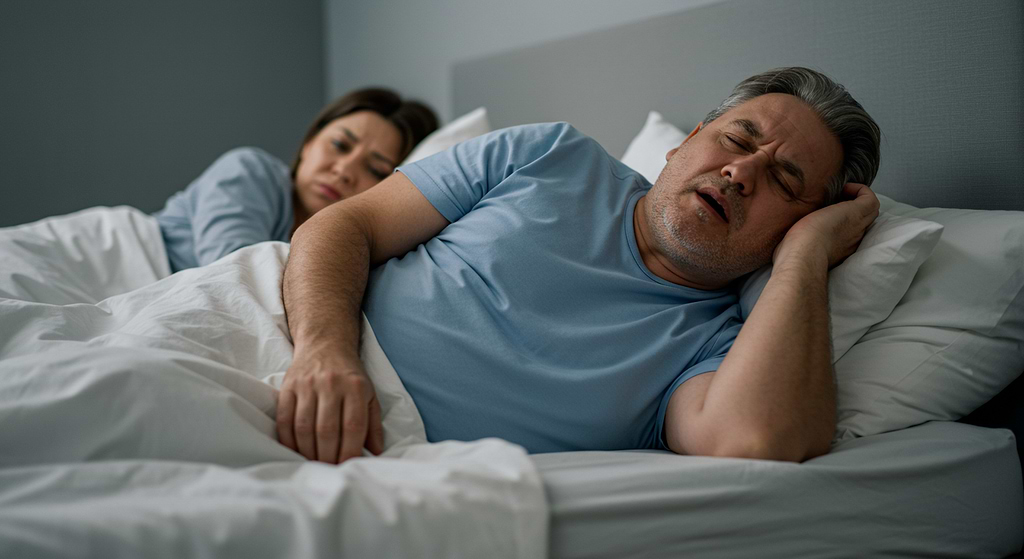
photo of a person snoring in their bed photo of a person snoring in their bed photo of a person snoring in their bed

How to Stop Snoring: Proven Solutions, Actionable Strategies & Clinical Research

Snoring is sometimes regarded as a nuisance. But reality is that snoring is a serious problem: It disrupts sleep cycles, strains relationships, and can be a warning sign of obstructive sleep apnea (OSA). In this article we evaluate six common strategies to help you overcome snoring once and for all. Read on to finally answer the question 'how to stop snoring'.

Reviewed by David Hernandez

Snoring Expert & Founder of VitalSleep

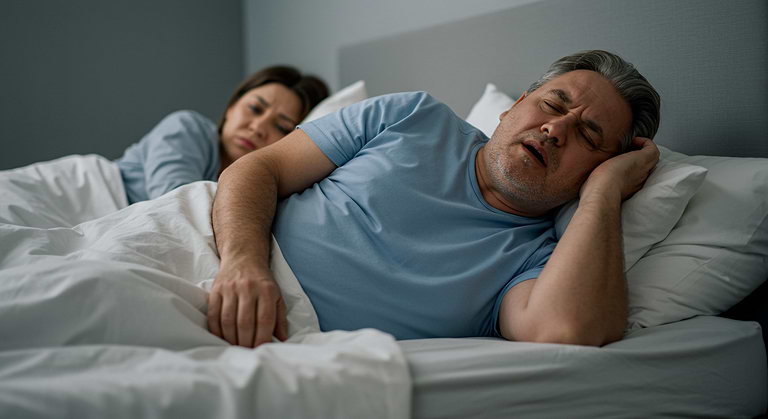
photo of a person snoring in their bed

Popular Anti-Snoring Solutions: An Overview

Anti-snoring solutions are available in all shapes and forms - from behavior modifications, such as changing your sleeping position, or abstaining from drinking alcohol to wearing an anti-snoring mouthpiece at night and even undergoing surgery. Here is a high-level overview.

Effectiveness

Cost

Invasiveness / Effort

CPAP Machine
Pumps air through a hose and mask to force the airway open

$$$

High Effort

Mandibular Advancement Device (MAD)

Gently advances the lower jaw forward to keep airway open

$

Low Effort

Surgical Procedures

Removes or shrinks tissue in the throat to widen airway

Variable

$$$

Very High Effort

Positional Therapy
Aims to prevents backsleeping (gravity collapses airway)

$$

Low Effort

Weight Management

Reduces fatty tissue around the neck that compresses the throat

$

High

Avoiding Alcohol & Sedatives

Alcohol consumption relaxes your throat muscles and contributes to snoring

$

Variable

Nasal Strips / Dilators

Pull open the nostrils to increase airflow through the nose

$

Low Effort

Evaluating Six Common Snoring Remedies: How they Work

Evaluating Common Snoring Remedies: What Actually Works?

The list of methods below provides an exchaustive overview of ways to prevent snoring. We explain each method in detail and explain when which approach works best to finally sleep well rested.

Title

Weight Loss

Excess body weight, particularly around the neck, increases the amount of tissue pressing against the throat. This added pressure narrows the airway and makes it prone to collapsing during sleep. Losing weight reduces this internal pressure and neck circumference, naturally widening the airway to reduce vibration and snoring volume.

Verdict:

While this is overall recommended it's not an immediate remedy. Also, losing weight is something that many people struggle with.

Nasal Strips or Nasal Passages

These external adhesive strips or internal dilators physically lift and widen the nasal valves to improve airflow. They are only effective for snoring caused by congestion, allergies, or a deviated septum. However, they do not treat throat-based snoring, which is the most common cause of loud, chronic noise.

Verdict:

Helps if nasal congestion is the sole cause of snoring (which it mostly is not). This methods does not effectively reduce throat-based snoring (the most common type).

CPAP Therapy

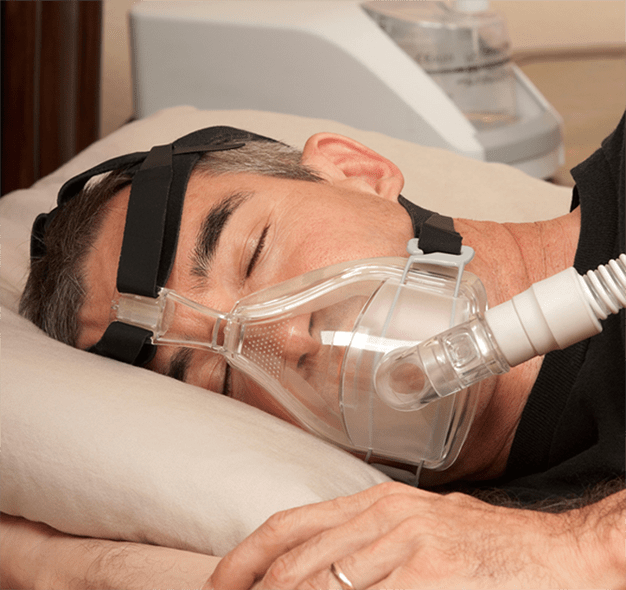
CPAP is the medical "gold standard" for severe Obstructive Sleep Apnea (OSA). A machine pumps a steady stream of pressurized air through a mask and hose, acting as a "pneumatic splint" that forces the airway to stay open regardless of muscle relaxation.

Verdict:

While  if congestion is Continuous Positive Airway Pressure (CPAP) is probably the most effective way to stop snoring, it's hard to stick with it: nearly 50% of patients abandon CPAP therapy within the first year due to discomfort, claustrophobia, or noise (Six CPAP Alternatives).

Lifestyle Changes

Alcohol acts as a potent muscle relaxant that depresses the central nervous system. When consumed before bed, it causes the muscles in the back of the throat to relax excessively and collapse inward. Establishing an "alcohol curfew" 3–4 hours before sleep ensures your throat muscles retain the tone necessary to keep the airway open. For a more holistic approach involving diet and hydration, explore Barbara O'Neill's Natural Snoring Remedies.

Verdict:

This approach is also highly recommended. The downside is: not everyone who is snoring does smoke or drink alcohol on a regular basis (and again, lifestyle changes are not always easy to implement). 

Positional Therapy

Gravity is often a snorer’s worst enemy. Sleeping on your back (supine) allows the tongue and soft palate to fall backward, obstructing the windpipe. Positional therapy involves using specialized pillows or wearable devices to force you to sleep on your side, neutralizing gravity’s pull and keeping the airway clear.

Verdict:

Helpful but Limited. Prevents back-sleeping but doesn't stop throat collapse if you snore on your side. More about this: Sleep position to stop snoring.

Mandibular Advancement (i.e. VitalSleep)

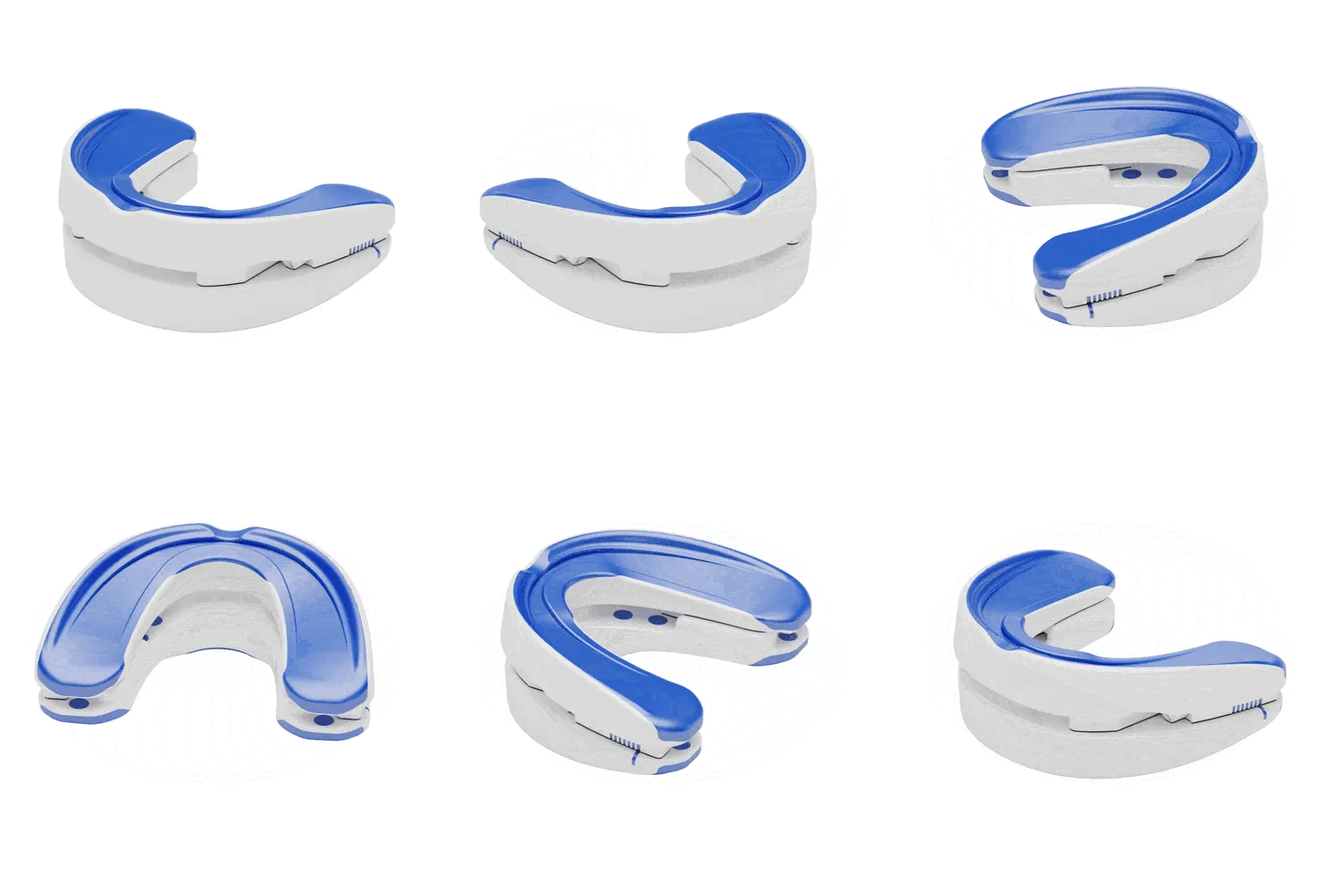
Mandibular Advancement Devices (MADs) Devices like the VitalSleep anti-snoring mouthpiece  treat the root cause of throat snoring by gently holding the lower jaw in a forward position. This advancement tightens the soft tissues of the upper airway and prevents the tongue from collapsing backward

Verdict:

Proven method to reduce snoring. Directly targets the root cause of airway collapse. The advantage of this method is that it is not only effective in treating snoring and mild or moderate OSA, but that most people stick with it.

What the Science Says: How achieve Permanent Snoring Relief

The science on snoring is quite clear: the negative impact of snoring on the quality of sleep and its potentially dangerous consequences can only be permanently alleviated by resolving the root causes of snoring. 

Based on scientific consensus, surgical solutions, CPAP therapy, or the use of a mandibular advancement device are generally the most promising three strategies.


What is also important is that a medical diagnosis should distinguish between simple snoring and obstructive sleep apnea - which can have very serious and potentially life threatening health implications. To diagnose sleep apnea, a clinical assessment (typically a sleep study) needs to be administered by a qualified physician. 

Studies Show that Surgical Intervention can Stop Snoring - but Only for Some

The verdict on surgical intervention is to resolve snoring is that: "[...] there is a small group of patients in whom this is undoubtedly effective, but there is no way of identifying prior to surgery whether any individual patient is in this group." (Counter and Wilson)


So if you are lucky, then this route may work well for you, but many snorers shy away from this approach, as it is the most intrusive one and, as stated above, potentially also ineffective.

CPAP: The Gold Standard ot Overcome Snoring, But Often Inefficient in Practice

Most clinical studies confirm that CPAP leads in terms of pure effectiveness. Counter and Wilson state that it can reduce "the number of snores per hour from 154 to 3". 


They also point out that very low compliance rates "due to the discomfort of wearing the device, and to some extent the noise of the machine itself" often renders CPAP treatments ineffective in practice


So, if you can get used to sleeping with a full-face mask and next to a noisy machine (every night!) then this is the best way to resolve your snoring for good.


Mandibular Advancement Devices (MADs): Best in Practice

A crossover trial cited by Stuck and Hofauer concluded that Mandibular Advancement Devices (MADs) are highly efficient. They found that "MADs were able to significantly reduce the snoring outcome score". 


Counter and Wilson make an important further distinction:


The ability to preciely adjust the device "had a significantly greater effect on snoring with a self-reported reduction in snoring volume in 84% and frequency in 76% of patients." 


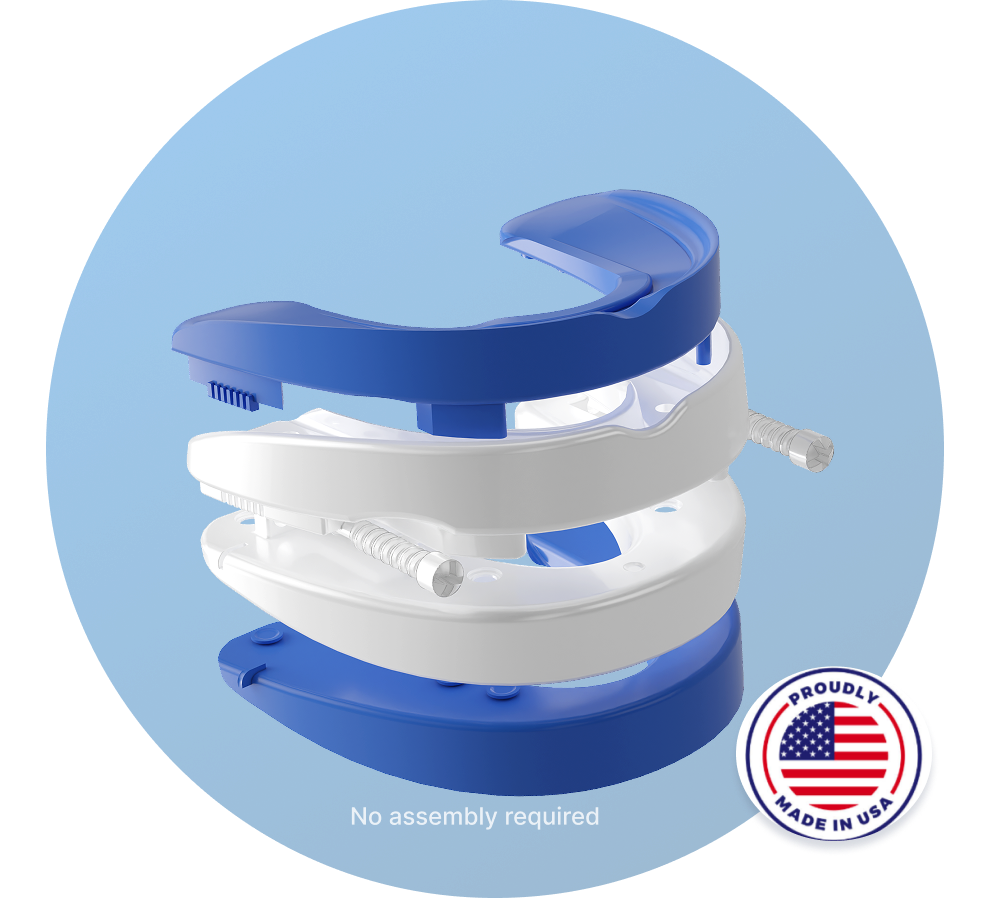
VitalSleep is one of the few brands that provides this degree of adjustability via our Accu-Adjust System that allows for precise increments of just 1mm (up to 8mm) - a unique differentiator that most other anti-snoring mouthpieces do not provide.

What it the Best Way to Prevent Snoring Immediately?

Overview of the Most Influential Clinical Research Related
 to Snoring and Sleep Apnea

If you want to reduce snoring , there are a few options you have: if you sleep on your back, try to sleep on the side (use pillows to prevent slipping back into your preferred position). You can also elevate your head with pillows, avoiding alcohol before bed or use an anti-snoring mouthpiece. These methods work right away (to differing degrees) by keeping the airway open, reducing throat muscle relaxation, and improving airflow, which reduces the vibrations that cause snoring. 


How to Stop Snoring Naturally / Without Devices?

Overview of the Most Influential Clinical Research Related
 to Snoring and Sleep Apnea

The most natural way to prevent nightly snoring is changing your sleeping position. While this works for some, many find that you eventually rotate back to your most naturally preferred sleeping positon.

Precision-Engineering for Healthy Sleep

Since the science shows that having the airway open is the solution, the solution in the form of a key is the VitalSleep.


VitalSleep is an FDA-approved device for snoring. It is an oral device designed to keep the jaw forward while a person is sleeping. This process pulls the tongue away from the back of the mouth and prevents airway closure and the snores associated with the procedure.

Shop Now

Why VitalSleep is Superior to Generic Mouthguards

Many over-the-counter mouth guards are quite bulky, "one-size-fits-all" pieces of rubber. But the VitalSleep anti-snoring solution is different:

The Accu-Adjust System: Every jaw is different. VitalSleep is the only oral appliance that lets you make adjustments to the advancement of the jaw in increments of 1mm (up to 8mm), so you can locate the 'sweet spot' where the snoring lessens without over-extending your jaw.

Custom Boil-and-Bite Mold: When you first use our anti-snoring mouthpiece you need to follow a simple boil-and-bite process to precisely mold it to the specific contours of your teeth. This ensures a personalized and professional-level fit.

FDA Cleared & USA Made: Why take chances with lower-quality copycats that might harm your health in the long run? VitalSleep is  FDA-cleared ad composed of hypoallergenic materials that are commonly used in medical products.

Shop VitalSleep Now - 60 Night Guarantee

A Snoring Cure Effective from Tonight: Our Anti-Snoring Mouthpiece

Customizable Fit

It can be molded to fit the user's mouth, ensuring maximum comfort, effectiveness, and a secure fit throughout the night.

Adjustable Jaw Positioning

Allows users to adjust the lower jaw position, enhancing airflow and reducing snoring for better sleep quality for both the user and their partner

FDA-Cleared and Made in USA

Ensuring high safety and quality standards for confidence in its effectiveness and safety for over a decade.

Durable

Made from high-quality, BPA-free, and latex-free materials, ensuring durability and reliability for long-term, safe use. Built to last.

FAQ: How to Stop Snoring

We’re serious about restoring your silent nights.

Can I actually stop snoring "tonight," or do I have to wait for lifestyle changes to work?

Lifestyle changes like weight loss take months. To stop snoring tonight, you need a mechanical solution. Snoring is a physical issue—tissue collapsing into the airway.


Therefore, it requires a physical fix. While long-term goals like reducing alcohol and losing weight are vital for health, using a Mandibular Advancement Device (MAD) is the only non-invasive method to physically prop the airway open immediately, providing relief from the very first night while you work on the lifestyle factors.

Why do nasal strips work for some people but not for me?

Nasal strips only work if your snoring is caused exclusively by nasal congestion (a deviated septum or allergies). However, clinical data suggests that over 80% of snoring originates in the throat, not the nose. 


If your snoring sounds like a deep, guttural rumble, it is likely caused by the tongue collapsing against the soft palate (oropharyngeal snoring). Nasal strips cannot lift the tongue; they only open the nostrils. To fix throat snoring, you must advance the jaw forward.

I sleep on my side, but I still snore. I thought side-sleeping was the cure?

"Positional therapy" (sleeping on your side) relies on gravity to keep the tongue from falling back. However, if you have low muscle tone in your throat (common with age) or a naturally recessed chin (retrognathia), gravity isn't enough. 


Even on your side, the jaw can slacken and slide back, narrowing the airway. A custom-adjustable mouthpiece counters this by locking the jaw in a forward position, ensuring the airway remains patent (open) regardless of your sleeping position.

Is snoring always a sign of Sleep Apnea?

Not always, but they are closely linked. "Simple snoring" is noise without airflow blockage. Obstructive Sleep Apnea (OSA) involves the airway completely collapsing, causing you to stop breathing for 10+ seconds. 


If your snoring is accompanied by gasping, choking, excessive daytime fatigue, or morning headaches, these are red flags for OSA. While VitalSleep is FDA-cleared for snoring, we strongly recommend visiting a sleep specialist if you suspect apnea.

Why does my snoring get so much worse after I drink alcohol?

Alcohol is a potent muscle relaxant. It specifically targets the genioglossus (the muscle that controls the tongue) and the throat muscles. Under the influence of alcohol, these muscles lose their natural tone and collapse much more easily than they would during normal sleep. 


Essentially, alcohol turns a "quiet sleeper" into a snorer, and a "mild snorer" into a "severe snorer." If you plan to drink, wearing a mouthpiece becomes even more critical to mechanically counteract this chemical relaxation.

Does losing weight actually guarantee I will stop snoring?

It helps significantly, but it’s not a guarantee. Weight loss reduces "parapharyngeal fat pads"—fat deposits deep in the neck that squeeze the airway. However, thin people snore too. 


If your snoring is caused by anatomy (a long uvula, large tonsils, or a narrow jaw structure) rather than weight, you will likely continue to snore even after slimming down. In these cases, structural management (like a mouthpiece) is necessary regardless of BMI.

How to Help my Partner, Boyfriend or Partner Fix their Snoring Problem?

To help a partner fix their snoring, encourage them to maintain a healthy weight,  avoid alcohol/smoking before bed and to wear a mouthguard (MAD) like VitalSleep: it actively moves the lower jaw forward and prevents snoring

I’ve heard about surgery for snoring (UPPP). Is it effective?

Uvulopalatopharyngoplasty (UPPP) is a surgery to remove tissue from the throat. While it can be effective, it is painful, invasive, and has a significant recovery time. Furthermore, studies show that for many patients, the tissues eventually stretch out or grow back, causing snoring to return over time.


Most sleep doctors recommend trying "Conservative Therapy" (Oral Appliances) first. It offers similar efficacy to surgery for non-apneic snoring without the scalpel.

Why do women often start snoring after menopause?

This is a hormonal issue. Estrogen and progesterone protect muscle tone. As these hormone levels drop during menopause, the muscles in the throat become "floppier" and more prone to collapse. 


Many women are shocked to start snoring in their 50s. It is not necessarily weight gain; it is a loss of muscular tension. A mouthpiece compensates for this loss of tone by mechanically holding the structure in place.

Can my partner wear earplugs, or is the decibel level too high?

Moderate to severe snoring can reach 60 to 90 decibels—equivalent to a vacuum cleaner or a lawnmower running in the bedroom. Standard foam earplugs typically reduce noise by only 20–30 decibels. 


This means that for loud snorers, earplugs are often insufficient to block the low-frequency vibration of a snore. The only way to truly restore silence to the bedroom is to stop the noise at the source (the snorer's throat), rather than trying to block it at the destination (the partner's ears).

This article is for general informational and educational purposes only and is not medical advice. It does not replace guidance from a qualified healthcare professional. If you suspect sleep apnea or experience choking, gasping, loud or persistent snoring, or excessive daytime fatigue, consult a licensed clinician.