SHIPPING ON US ● FDA CLEARED & USA MADE ● 60-NIGHT MONEY-BACK GUARANTEE
1 YEAR WARRANTY & FREE SHIPPING
TRY IT FOR 60 NIGHTS
MADE IN THE USA
Your cart is empty
Your Cart (0)
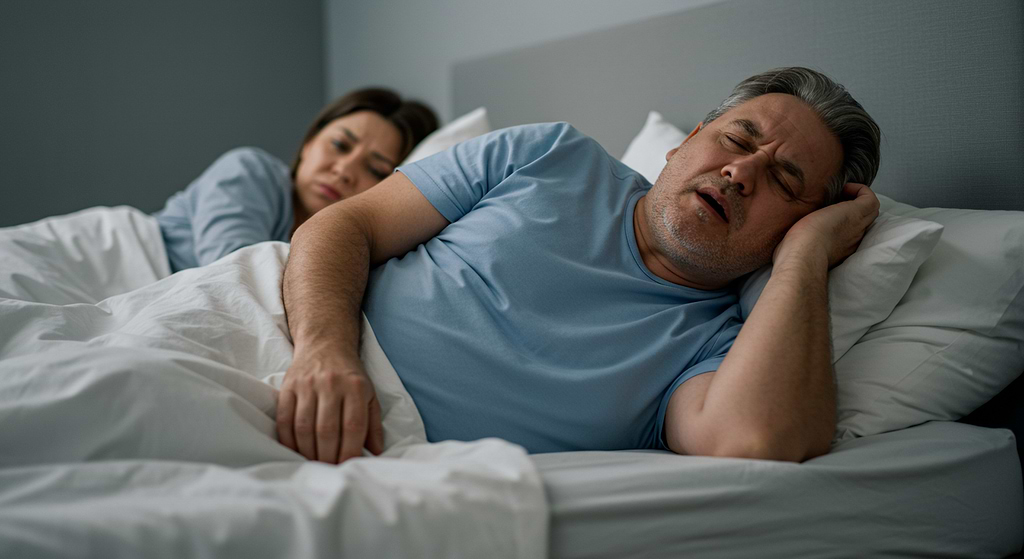
photo of a person snoring in their bed photo of a person snoring in their bed photo of a person snoring in their bed

How to Stop Snoring: Understanding Causes & Effective Solutions

Snoring is sometimes regarded as a nuisance. But reality is that snoring is a serious problem: It disrupts sleep cycles, strains relationships, and can be a warning sign of obstructive sleep apnea (OSA). To answer the question 'how to stop snoring', you need to understand its causes and the available treatment options. 

Reviewed by David Hernandez

Snoring Expert & Founder of VitalSleep

photo of a person snoring in their bed

How to Stop Snoring: Understanding Causes & Effective Solutions

Why We Snore: The Anatomy of Snoring

When you sleep, the muscles in your neck and throat relax. For many adults, this relaxation causes the tongue and soft tissues to fall backward, narrowing your airway. As you breathe in, air is forced through this tight opening, causing the tissues to vibrate violently. This causes the so familiar "snoring" sound. 

Title

The Most Common Reasons for Snoring According to Science

The Most Common Reasons for Snoring According to Science

Snoring can have many reasons: some are related to anatomical factors, whereas others are lifestyle related. This overview provides you with the most common causes. 


Understanding what is causing your snoring or sleep apnea is the key to figuring out how to stop snoring - by selecting the appropriate anti-snoring strategy.

Excess Body Weight (Obesity)

Being overweight, and in particular obesity can be a main factor that causes snowing. A recent study from 2024 found that around "~58% of moderate-to-severe snoring cases are attributed to weight/obesity".  


Excess fat in around the neck can compresses and narrow the throat from the outside and cause or exacerbate snoring. A separate NIH-published review found that obese patients were almost 10 times more likely to report Obstructive Sleep Apnea (OSA) symptoms than non-obese counterparts. More on this topic: Can losing weight cure sleep apnea?

Sleeping Position: Back Sleeping

Sleeping on your back, also referred to as Supine sleeping is another big factor. Scientific studies show that around 56 % of patients with obstructive sleep apnea (OSA) have position-dependent OSA (POSA)


The reason therefore is that sleeping flat on your back allows gravity to pull the tongue backward. This blocks your throat and causes snoring (More on this: How to sleep on back without snoring).

Aging

Your age is another big factor that can contribute to snoring. Research shows that prevalence to snoring increases by ~40–50% in older adults.  This is because our throat muscles tend to lose their natural elasticity as we age. 


These looser tissues are then more prone to collapsing into the airway as we sleep - triggering the so familiar snoring sound.

Other Factors: Alcohol, Genetics & More

While this list focuses on the main causes of snoring there are many other ones, such as:

  • Anatomical Genetics: A recent study with some 400,000 participants that was published in Nature found that around 20% of ones propensity to snoring can be attributed to genetic factors.


  • Nasal Obstruction: While chronic nasal obstruction is rare, when occurring it can cause snoring.

Overview of the Most Influential Clinical Research Related
 to Snoring and Sleep Apnea

Overview of the Most Influential Clinical Research Related
 to Snoring and Sleep Apnea

The science on snoring is constantly evolving and it's important to stay up to date on the latest research. Here is a list of the most influential research papers on why we snore and how to stop snoring.

New England Journal of Medicine (NEJM)

by Young T, et al.

The Wisconsin Sleep Cohort Study

While this study dates back to 1993, it wad published in one of the world’s most prestigious medical journal: The New England Journal of Medicine (NEJM)

The study established the direct linear relationship between Body Mass Index (BMI) and sleep-disordered breathing.

American Journal of Respiratory and Critical Care Medicine

by Schwab RJ, et al.

The Anatomy of Airway Collapse

Published in 2003, this study helped explain why obesity is closely linked to snoring by identifying physical changes in the upper airway. 


Using MRI imaging, Dr. Schwab showed that snorers have significantly larger tongue volume, thicker lateral pharyngeal walls, and deep “fat pads” in the neck that directly compress and narrow the airway in obese individuals.


Nature Communications

Campos, A.I., et al.

The Genetic "Blueprint" of Snoring

In 2020 a study that drew on a dataset of 408,000 participants established the link between genetics and snoring. It helped identify 42 specific genetic loci associated with snoring. 


It also confirmed that while BMI is the biggest driver for snoring, besides genetics other factors such as alcohol consumption and smoking (Does smoking cause snoring?) also contributed. 

Evaluating Common Snoring Remedies: What Actually Works?

Evaluating Common Snoring Remedies: What Actually Works?

Now that you understand the causes for snoring, let's move on to providing options to tackle it. While the list below is not exhaustive, it contains some of the most common strategies to overcome snoring.

Title

Weight Loss

Reduces neck tissue mass.

Verdict:

While this is overall recommended it's not an immediate remedy. Also, losing weight is something that many people struggle with.

Nasal Strips or Nasal Passages

Opens up your nasal passages to prevent snoring.

Verdict:

Helps if nasal congestion is the sole cause. of snoring (which it mostly is not). This methods does not effectively stop throat-based snoring (the most common type).

CPAP Therapy

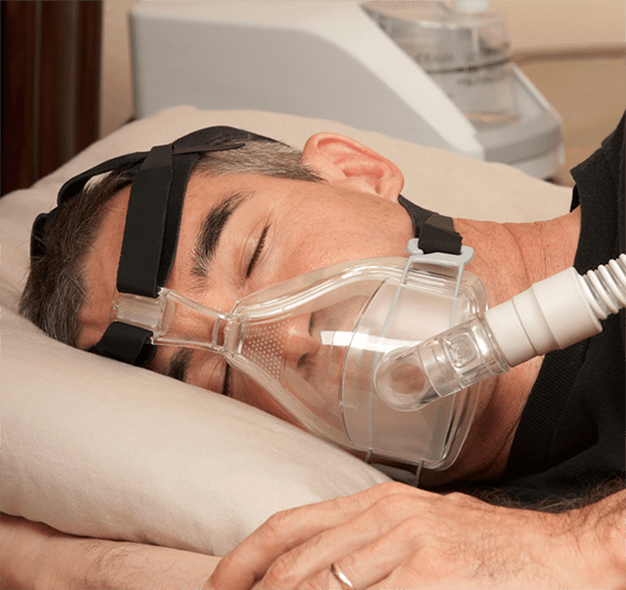
Delivers a constant stream of pressurized air through a mask (nose or nose/mouth) to keep your airway open while you sleep.

Verdict:

While  if congestion is Continuous Positive Airway Pressure (CPAP) is probably the most effective way to stop snoring, it's hard to stick with it: nearly 50% of patients abandon CPAP therapy within the first year due to discomfort, claustrophobia, or noise (Six CPAP Alternatives).

Lifestyle Changes

Avoiding alcohol, cigarettes etc. 

Verdict:

This approach is also highly recommended. The downside is: not everyone who is snoring does smoke or drink alcohol on a regular basis (and again, lifestyle changes are not always easy to implement). 

Positional Therapy

Prevents supine sleeping and therefore reduces the likelihood of snoring.

Verdict:

Helpful but Limited. Prevents back-sleeping but doesn't stop throat collapse if you snore on your side. More about this: Sleep position to stop snoring.

Mandibular Advancement (i.e. VitalSleep)

Moves your jaw forward to prevent your throat tissue from collapsing.

Verdict:

Proven method to stop snoring. Directly targets the root cause of airway collapse. The advantage of this method is that it is not only effective in treating snoring and mild or moderate OSA, but that most people stick with it once they have gotten used to wearing the mouthpiece.

The Science Behind VitalSleep®

VitalSleep works by addressing the real reason why most people snore: restricted airflow. It’s designed to gently advance the lower jaw forward to help keep the airway open, so breathing stays smoother, quieter, and more consistent while you sleep.

VitalSleep anti-snoring mouthpiece in hand
1

Helps Keep Your Airway Open

By supporting a forward jaw position, VitalSleep helps reduce airway collapse that triggers snoring vibrations. More airflow = less vibration = less snoring.

2

Adjustable So You Can Dial It In

VitalSleep uses an adjustable advancement system so you can fine-tune what works for your mouth instead of being stuck with one fixed position.

3

Molds To Your Teeth For Comfort

Designed to mold to your teeth for a custom feel and a secure fit— so it stays in place and feels natural through the night.

Explore the Anti-Snoring Mouthpiece

Precision-Engineering for Healthy Sleep

Since the science shows that having the airway open is the solution, the solution in the form of a key is the VitalSleep.


VitalSleep is an FDA-approved device for snoring. It is an oral device designed to keep the jaw forward while a person is sleeping. This process pulls the tongue away from the back of the mouth and prevents airway closure and the snores associated with the procedure.

Shop Now

Why VitalSleep is Superior to Generic Mouthguards

Many over-the-counter mouth guards are quite bulky, "one-size-fits-all" pieces of rubber. But the VitalSleep anti-snoring solution is different:

The Accu-Adjust System: Every jaw is different. VitalSleep is the only oral appliance that lets you make adjustments to the advancement of the jaw in increments of 1mm (up to 8mm), so you can locate the 'sweet spot' where the snoring stops without over-extending your jaw.

Custom Boil-and-Bite Mold: When you first use our anti-snoring mouthpiece you need to follow a simple boil-and-bite process to precisely mold it to the specific contours of your teeth. This ensures a personalized and professional-level fit.

FDA Cleared & USA Made: Why take chances with lower-quality copycats that might harm your health in the long run? VitalSleep is  FDA-cleared ad composed of hypoallergenic materials that are commonly used in medical products.

Shop VitalSleep Now - 60 Night Guarantee

How to Stop Snoring: Benefits of Our Anti-Snoring Solution

Customizable Fit

It can be molded to fit the user's mouth, ensuring maximum comfort, effectiveness, and a secure fit throughout the night.

Adjustable Jaw Positioning

Allows users to adjust the lower jaw position, enhancing airflow and reducing snoring for better sleep quality for both the user and their partner

FDA-Cleared and Made in USA

Ensuring high safety and quality standards for confidence in its effectiveness and safety for over a decade.

1-3 Year Lifespan

Made from high-quality, BPA-free, and latex-free materials, ensuring durability and reliability for long-term, safe use. Built to last.

SLEEP CYCLE

Sleep repairs your body
and mind 

DEEP SLEEP

Physically restorative stage where the body:

Repairs and heals muscles and bones

Regenerates tissues and cells

Regulates metabolism and blood sugar levels

Strengthens the immune system

REM SLEEP

Mentally restorative stage where the brain:

Consolidates memories

Retains and grows knowledge

Optimizes performance for the day

Regulates mood

FAQ: How to Stop Snoring

We’re serious about restoring your silent nights.

Can I actually stop snoring "tonight," or do I have to wait for lifestyle changes to work?

Lifestyle changes like weight loss take months. To stop snoring tonight, you need a mechanical solution. Snoring is a physical issue—tissue collapsing into the airway.


Therefore, it requires a physical fix. While long-term goals like reducing alcohol and losing weight are vital for health, using a Mandibular Advancement Device (MAD) is the only non-invasive method to physically prop the airway open immediately, providing relief from the very first night while you work on the lifestyle factors.

Why do nasal strips work for some people but not for me?

Nasal strips only work if your snoring is caused exclusively by nasal congestion (a deviated septum or allergies). However, clinical data suggests that over 80% of snoring originates in the throat, not the nose. 


If your snoring sounds like a deep, guttural rumble, it is likely caused by the tongue collapsing against the soft palate (oropharyngeal snoring). Nasal strips cannot lift the tongue; they only open the nostrils. To fix throat snoring, you must advance the jaw forward.

I sleep on my side, but I still snore. I thought side-sleeping was the cure?

"Positional therapy" (sleeping on your side) relies on gravity to keep the tongue from falling back. However, if you have low muscle tone in your throat (common with age) or a naturally recessed chin (retrognathia), gravity isn't enough. 


Even on your side, the jaw can slacken and slide back, narrowing the airway. A custom-adjustable mouthpiece counters this by locking the jaw in a forward position, ensuring the airway remains patent (open) regardless of your sleeping position.

Is snoring always a sign of Sleep Apnea?

Not always, but they are closely linked. "Simple snoring" is noise without airflow blockage. Obstructive Sleep Apnea (OSA) involves the airway completely collapsing, causing you to stop breathing for 10+ seconds. 


If your snoring is accompanied by gasping, choking, excessive daytime fatigue, or morning headaches, these are red flags for OSA. While VitalSleep is FDA-cleared for snoring, we strongly recommend visiting a sleep specialist if you suspect apnea.

Why does my snoring get so much worse after I drink alcohol?

Alcohol is a potent muscle relaxant. It specifically targets the genioglossus (the muscle that controls the tongue) and the throat muscles. Under the influence of alcohol, these muscles lose their natural tone and collapse much more easily than they would during normal sleep. 


Essentially, alcohol turns a "quiet sleeper" into a snorer, and a "mild snorer" into a "severe snorer." If you plan to drink, wearing a mouthpiece becomes even more critical to mechanically counteract this chemical relaxation.

Does losing weight actually guarantee I will stop snoring?

It helps significantly, but it’s not a guarantee. Weight loss reduces "parapharyngeal fat pads"—fat deposits deep in the neck that squeeze the airway. However, thin people snore too. 


If your snoring is caused by anatomy (a long uvula, large tonsils, or a narrow jaw structure) rather than weight, you will likely continue to snore even after slimming down. In these cases, structural management (like a mouthpiece) is necessary regardless of BMI.

How is a mouthguard different from a "chin strap"?

A chin strap merely holds your mouth shut. While this stops mouth breathing, it does not prevent the tongue from falling backward into the throat, which is the root cause of most snoring. 


A mouthguard (MAD) like VitalSleep does something a chin strap cannot: it actively moves the lower jaw forward. This movement pulls the tongue forward with it, physically widening the space in the back of the throat.

I’ve heard about surgery for snoring (UPPP). Is it effective?

Uvulopalatopharyngoplasty (UPPP) is a surgery to remove tissue from the throat. While it can be effective, it is painful, invasive, and has a significant recovery time. Furthermore, studies show that for many patients, the tissues eventually stretch out or grow back, causing snoring to return over time.


Most sleep doctors recommend trying "Conservative Therapy" (Oral Appliances) first. It offers similar efficacy to surgery for non-apneic snoring without the scalpel.

Why do women often start snoring after menopause?

This is a hormonal issue. Estrogen and progesterone protect muscle tone. As these hormone levels drop during menopause, the muscles in the throat become "floppier" and more prone to collapse. 


Many women are shocked to start snoring in their 50s. It is not necessarily weight gain; it is a loss of muscular tension. A mouthpiece compensates for this loss of tone by mechanically holding the structure in place.

Can my partner wear earplugs, or is the decibel level too high?

Moderate to severe snoring can reach 60 to 90 decibels—equivalent to a vacuum cleaner or a lawnmower running in the bedroom. Standard foam earplugs typically reduce noise by only 20–30 decibels. 


This means that for loud snorers, earplugs are often insufficient to block the low-frequency vibration of a snore. The only way to truly restore silence to the bedroom is to stop the noise at the source (the snorer's throat), rather than trying to block it at the destination (the partner's ears).

This article is for general informational and educational purposes only and is not medical advice. It does not replace guidance from a qualified healthcare professional. If you suspect sleep apnea or experience choking, gasping, loud or persistent snoring, or excessive daytime fatigue, consult a licensed clinician.