6 Reasons Your Snoring Keeps Winning the Bedroom War — And the Home Fix That Finally Quiets the Night
A small, self-adjusting shift in jaw position — dialed in 1mm at a time — is designed to open the airway that earplugs, room-swaps, and CPAP masks never could.
Claim offer →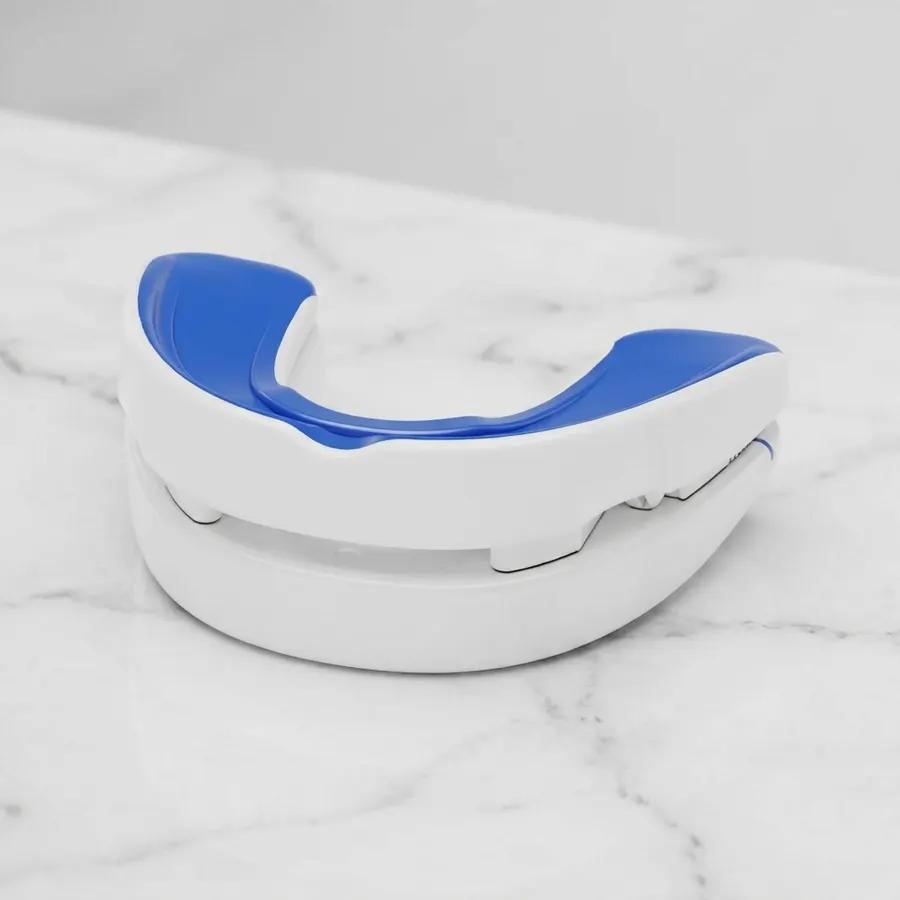
You've tried the earplugs. You've tried the guest room. You've tried nudging, sighing, and giving up.
The snoring keeps winning because none of those fixes touch the thing making the noise — a jaw that slides back and closes off the airway the second you fall asleep. Six reasons the war keeps going, and the one shift that ends it.
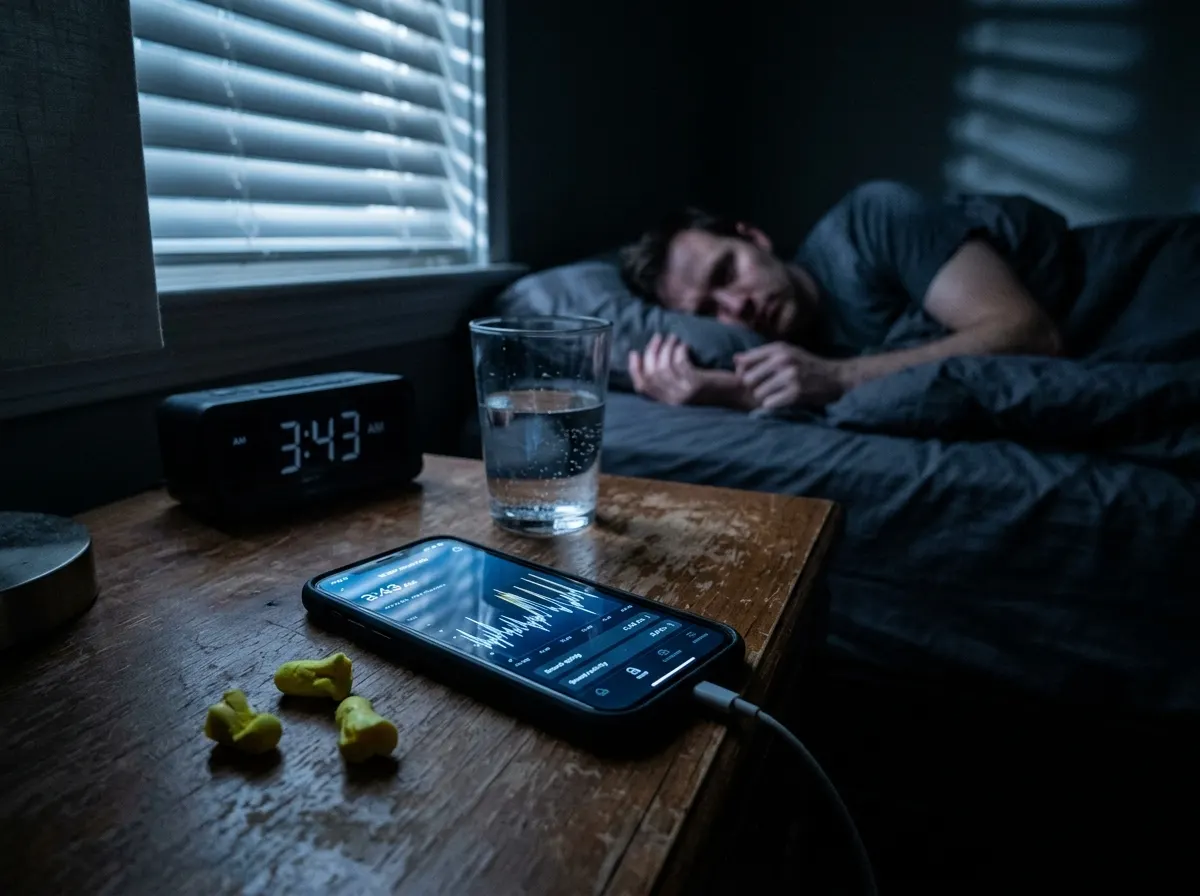
The Earplugs Aren't Failing You — They Were Never Aimed at the Real Problem
Earplugs try to mute a sound that's rattling the walls. Loud snoring easily hits the volume of a running blender, and foam plugs only knock off the top edge. You're not solving the snore — you're just trying to survive it. The noise is still happening; you've only bought yourself a thinner wall between you and it.
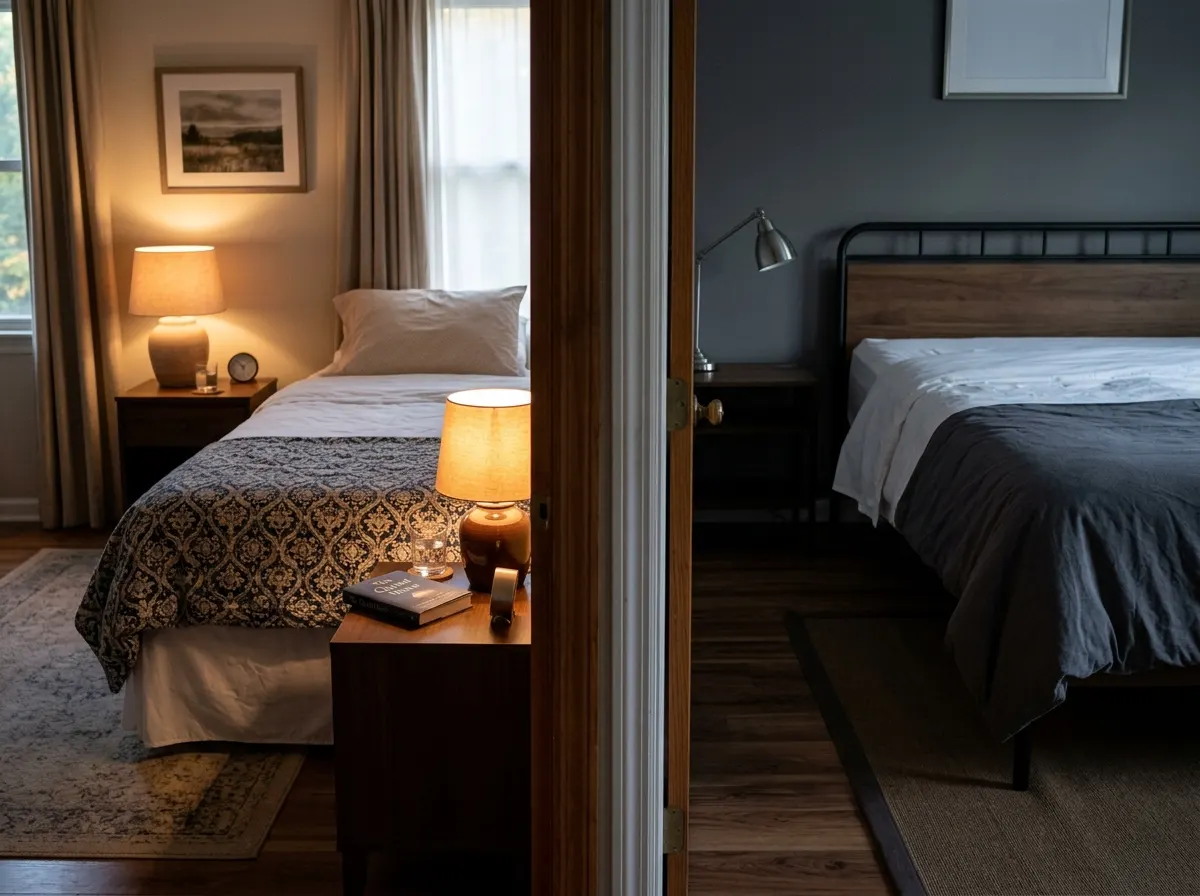
Moving to the Guest Room Fixes the Symptom, Not the Snore
Sleeping in separate rooms buys quiet, but it costs something bigger. Couples who split up at night lose the small, ordinary closeness of falling asleep together — and the snorer usually carries a quiet load of guilt about it. The snoring didn't stop. You just moved out of earshot of your own relationship.
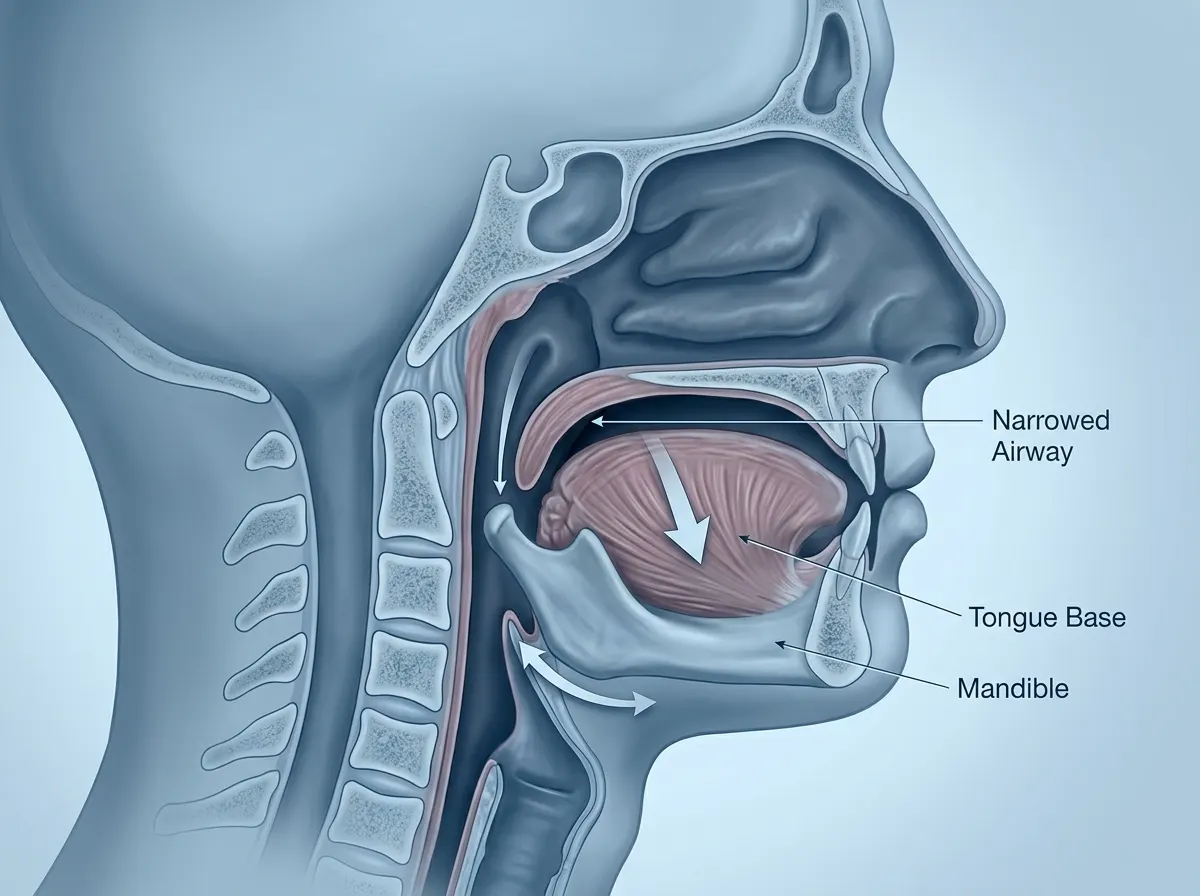
The Snore Starts in the Throat, Not the Nose
Most men blame their nose and reach for strips or sprays. But the loudest snoring usually comes from lower down: when you relax into deep sleep, your lower jaw drifts backward and your tongue slumps toward the back of your throat. Air has to squeeze past that soft, floppy tissue — and the vibration is the snore.
This is why nose fixes so often do nothing. If the blockage is in the throat, clearing the nose changes almost nothing about the sound. The airway has to be opened where it's actually closing.
See How Airway OpensMy wife actually came back to our bedroom after 3 years. Two weeks in, she said it was the quietest I'd ever slept.
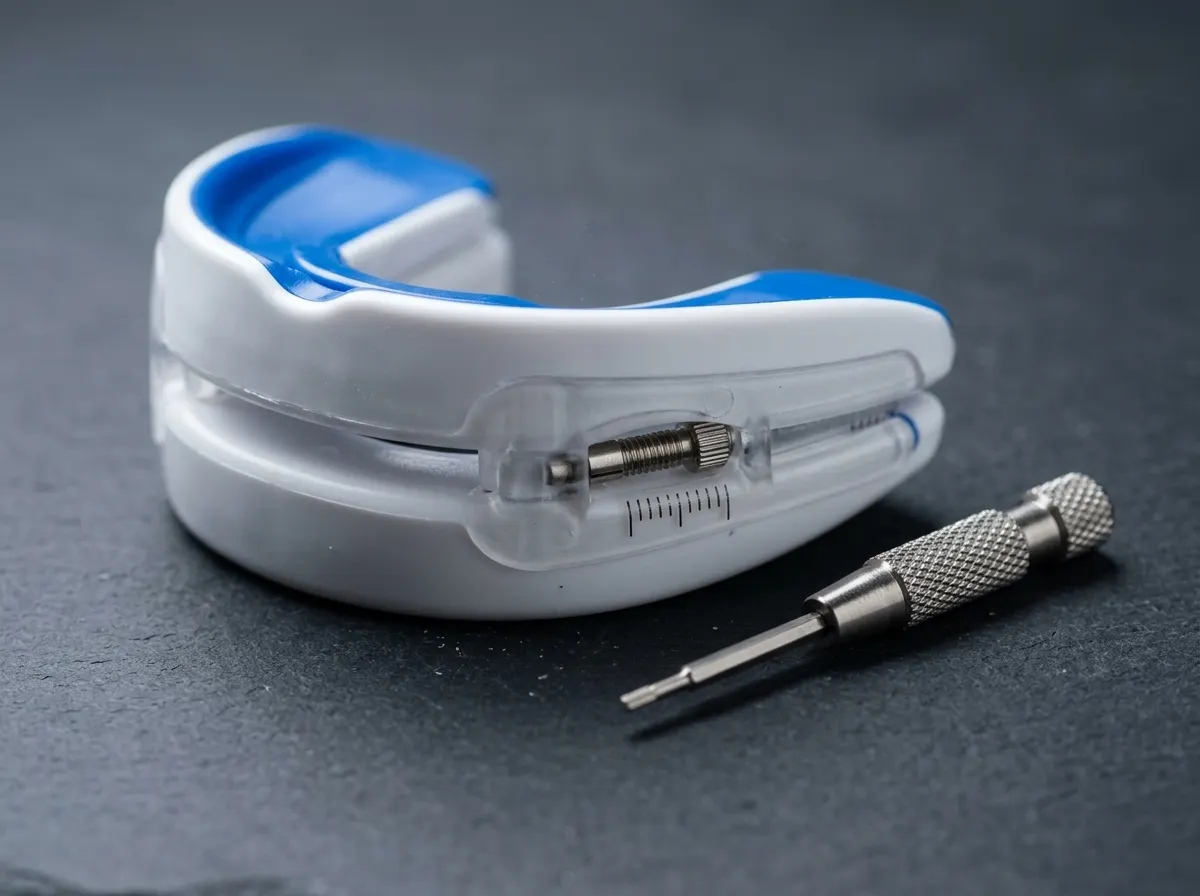
One-Size Mouthpieces Fail Because Every Jaw Is Different
The class of devices that actually works is the mandibular advancement mouthpiece — a fitted guard that holds your lower jaw slightly forward so the airway stays open. But most cheap ones lock you into a single fixed position. If that one position is too little, you still snore. Too much, and your jaw aches all night.
The devices men keep coming back to let you fine-tune the jaw position in small steps — advancing 1mm at a time until the snoring stops and your jaw still feels fine. The adjustment is the whole game.
Find Your Exact Setting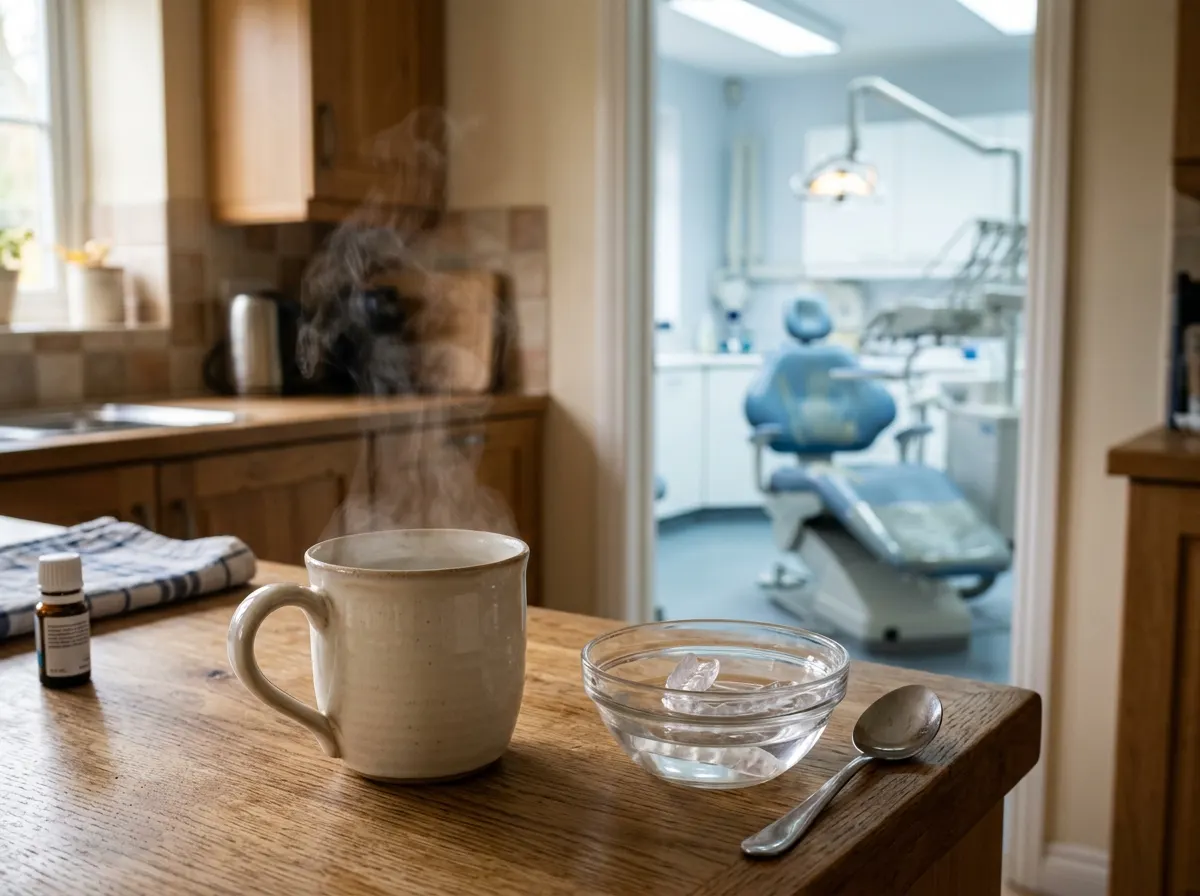
The $2,000 Dentist Appliance Does One Thing You Can Do at Home
A dentist-made oral appliance runs anywhere from $500 to over $2,000, and it does the same core job: hold the jaw forward and mold to your teeth. The molding is expensive. But the boil-and-bite method softens the guard in hot water so it forms to your exact bite at your kitchen counter. Same custom fit, none of the office visits or the bill.
Skip the Dentist Cost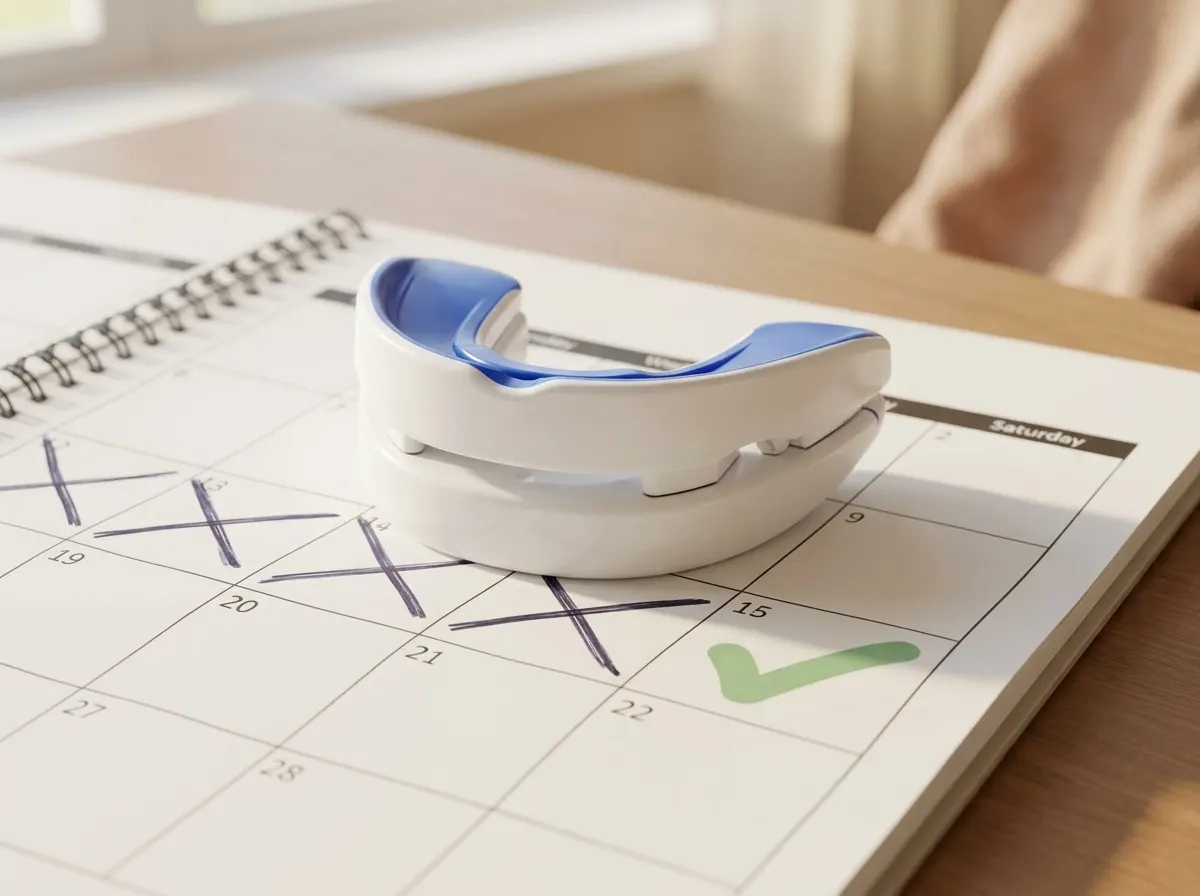
The Fear Isn't That It Won't Work — It's Getting Stuck If It Doesn't
After months of failed fixes, the real hesitation isn't hope — it's risk. What if it doesn't fit? What if the snoring doesn't budge? That's exactly why the offers worth trusting come with a money-back guarantee, free size exchanges, and a real warranty. You get to test it in your own bed, on your own nights, with nothing to lose but the snoring.
Try It Risk-FreeMeet the Adjustable Anti-Snoring Mouthpiece
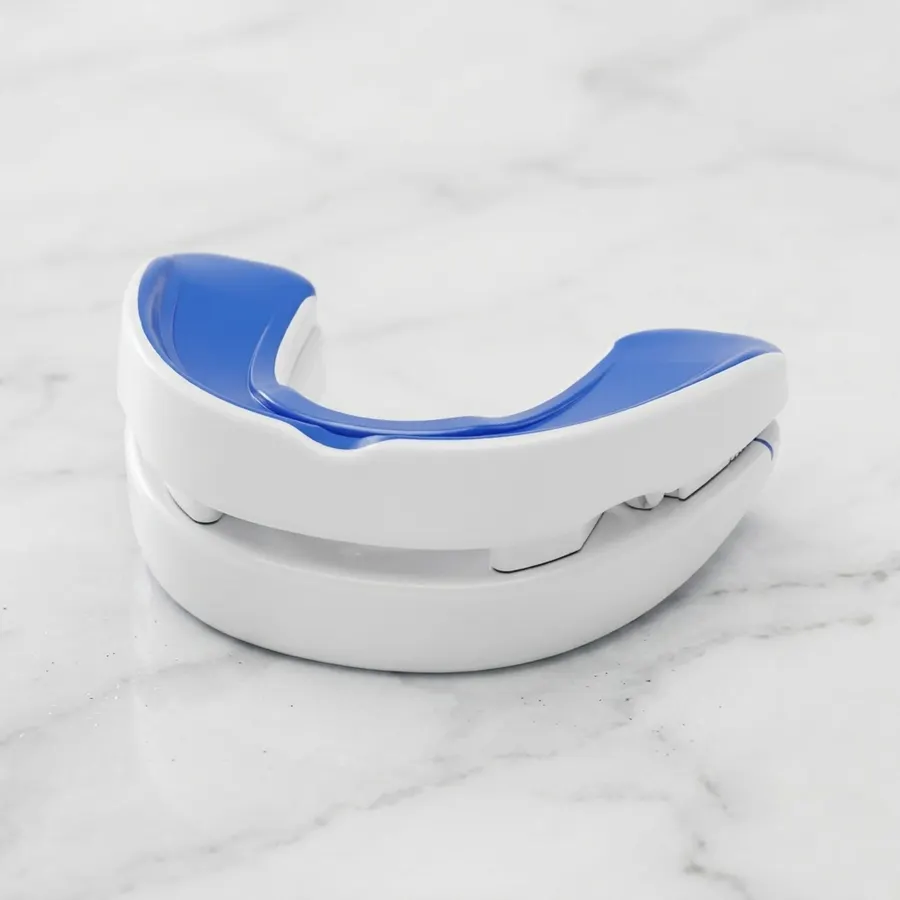
Everything the last six reasons pointed to lives in one device: VitalSleep.
It's a mandibular advancement mouthpiece with a patented Accu-Adjust System that lets you dial your jaw forward 1mm at a time, from 0 to 8mm — so you find the exact spot where the snoring stops and your jaw still feels fine.
You mold it at home with the boil-and-bite method — the same custom fit a dentist charges up to $2,000 for, without the visits.
It's FDA-cleared, made in the USA, BPA- and latex-free, and sized separately for men. It's backed by a 60-night money-back guarantee, free exchanges, and a one-year warranty — so testing it in your own bed costs you nothing but the noise.
How long until you notice a difference?
Some men hear the difference the very first night; for others the jaw needs a few days to settle and a couple of small adjustments to land. Here's what the first stretch of nights actually tends to look like.
How does it actually compare?
Earplugs, nose strips, CPAP machines, and dentist appliances each solve a different slice of the problem — or none of it. Laid side by side, the trade-offs of cost, comfort, and whether they touch the actual snore get hard to ignore.
| Adjustable Anti-Snoring Mouthpiece | Standard Mouthpieces & Dentist Solutions | |
|---|---|---|
| Total out-of-pocket cost | $149.95 | $500–$2K |
| Adjustment precision | 1mm increments (0–8mm) | Fixed or coarse |
| Fitting process | Boil-and-bite at home | Dentist appointment(s) |
| Money-back guarantee | 60 nights | Rarely offered |
| Sizing options | Men's and women's fit | One size typical |
| FDA clearance status | Class II cleared | Varies by type |
What People Are Saying
The proof that matters most here isn't a spec — it's the partner who moved back into the bedroom. These are the outcomes men and their spouses report after nights of finally sleeping through.
Ready to Start?
Questions men ask before their first quiet night
Before ordering, most men want the same things answered: will the home molding really match a professional fit, what happens if it's uncomfortable, and what if it doesn't quiet the snoring at all. Here's the straight version.