The Quiet Reason You Wake Up Exhausted After a Full 8 Hours in Bed — and It's Not Your Age
Women past 35 blame hormones and stress for the daytime fog; the culprit is often broken sleep from snoring you never fully wake up to notice.


You went to bed at a decent hour. You slept the full eight. And still, by mid-morning, your eyes are heavy, your coffee isn't touching it, and you're snapping at people you love over nothing.
You've started to accept it as normal. This is just what your thirties, then your forties, feel like. Tired is your baseline now.
But here's the part nobody tells you: the number of hours you spent in bed and the number of hours you actually rested may be two very different things.
So why do you feel wrecked after a full night in bed?

You've blamed the obvious things: hormones, stress, the kids, getting older.
So you drink more water, cut the wine, try the magnesium, and wait to feel human again.
It doesn't come.
Meanwhile, the fog costs you all day. Focus goes soft. Patience runs thin.
There's a quieter cost most women won't say out loud — the slow drift to the guest room, the resentment that builds one loud night at a time.
Here's what makes it so maddening: you don't remember waking up. You feel like you slept. So you keep looking everywhere except the one place the problem actually lives.
What's actually stealing your sleep without waking you up?
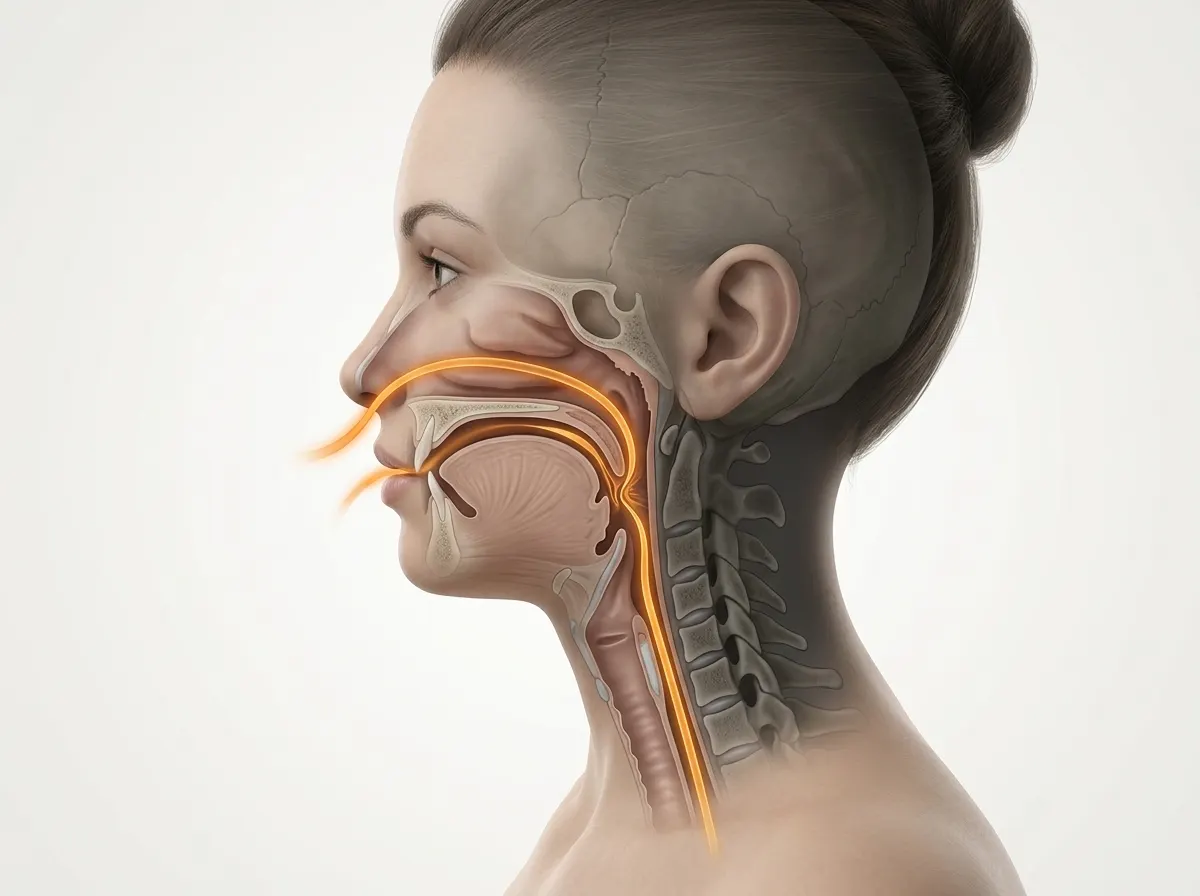
When you fall asleep, throat muscles relax. For many women past 35, they relax too far, and the airway narrows. Air squeezes through. Soft tissue flutters. That flutter is the snore.
But the noise isn't the real damage. Every time your airway pinches shut, your brain gives you a tiny jolt to reopen it — not enough to wake you, just enough to yank you out of the deep, restoring stage of sleep.
This can happen dozens of times an hour. All night. You never notice a single one.
Call it the silent wake-up.
You're in bed eight hours, but your brain never gets the uninterrupted stretch it needs to recover. No amount of going to bed earlier closes this gap — because the problem isn't how long you sleep. It's how many times the night quietly breaks apart.
What if the fix was a small adjustment you make at home?
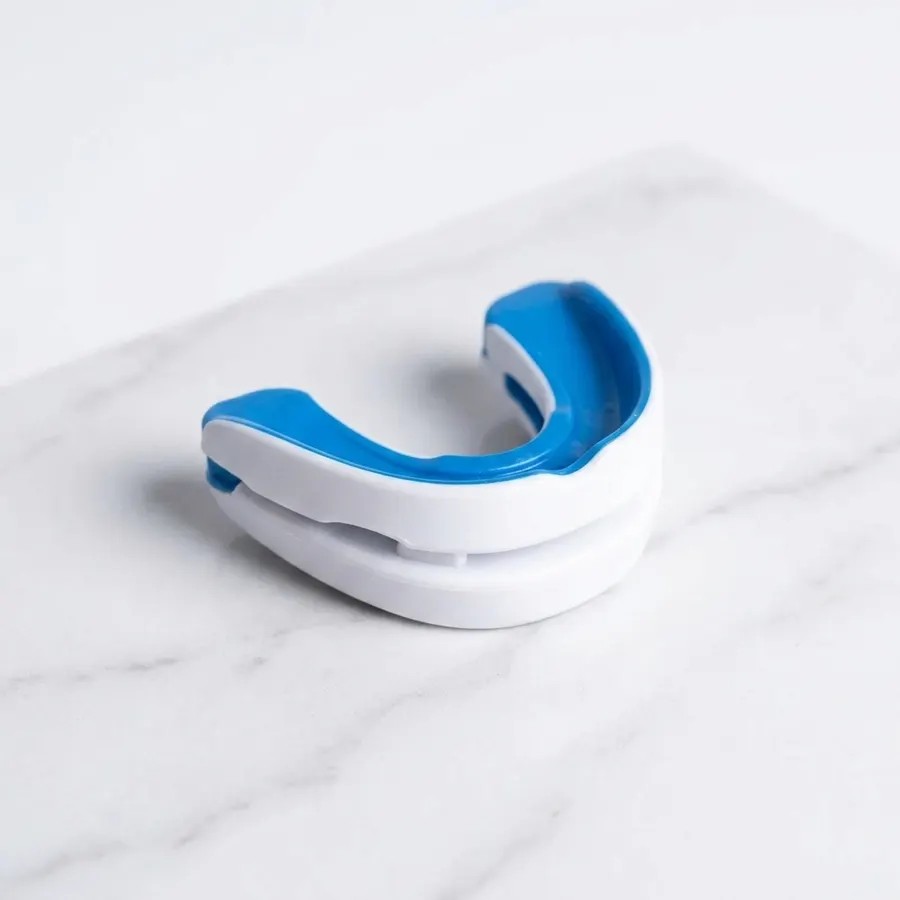
The silent wake-up starts with one thing: the airway closing. Fix that, and the fluttering stops, and the night stops breaking apart.
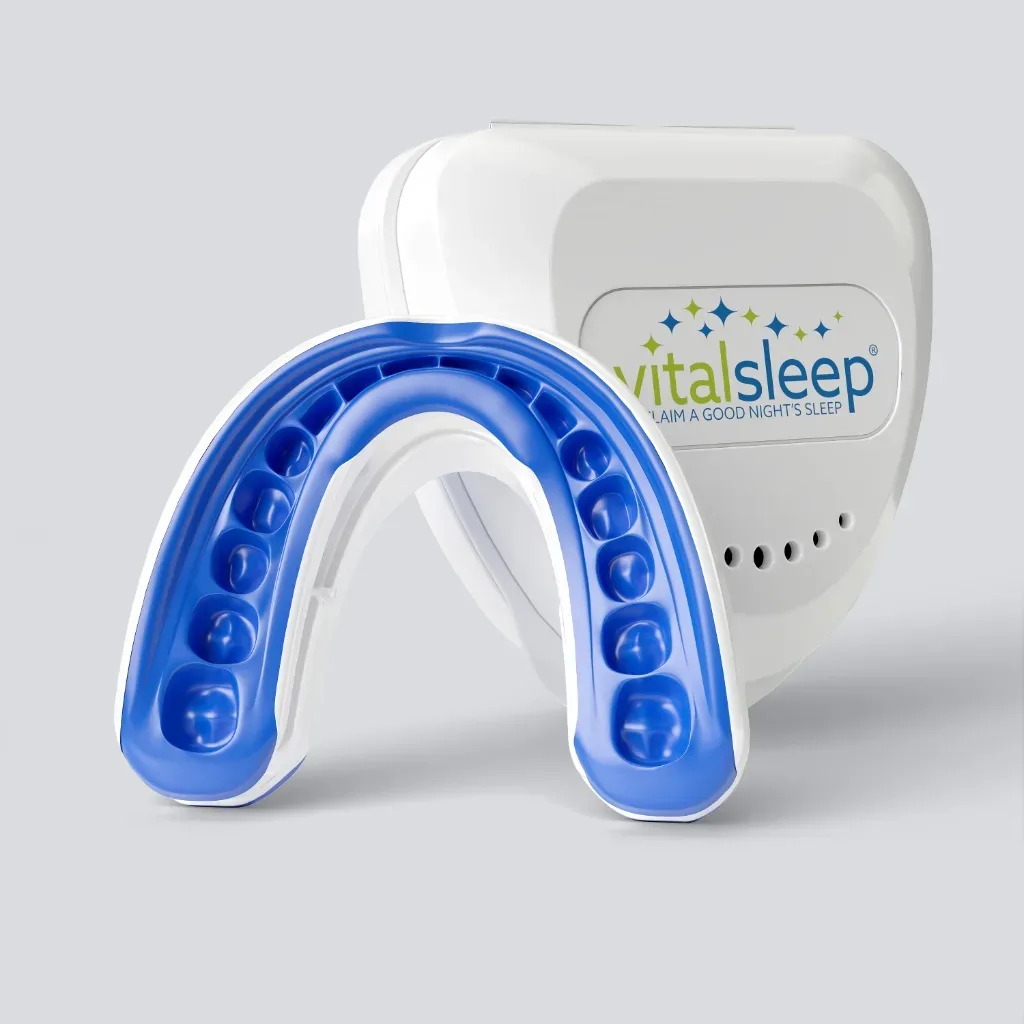
That's exactly what VitalSleep is built to do. It gently holds your lower jaw forward while you sleep, keeping the airway open so the air moves quietly instead of forcing its way through. For many people, that cuts snoring by over 90%.
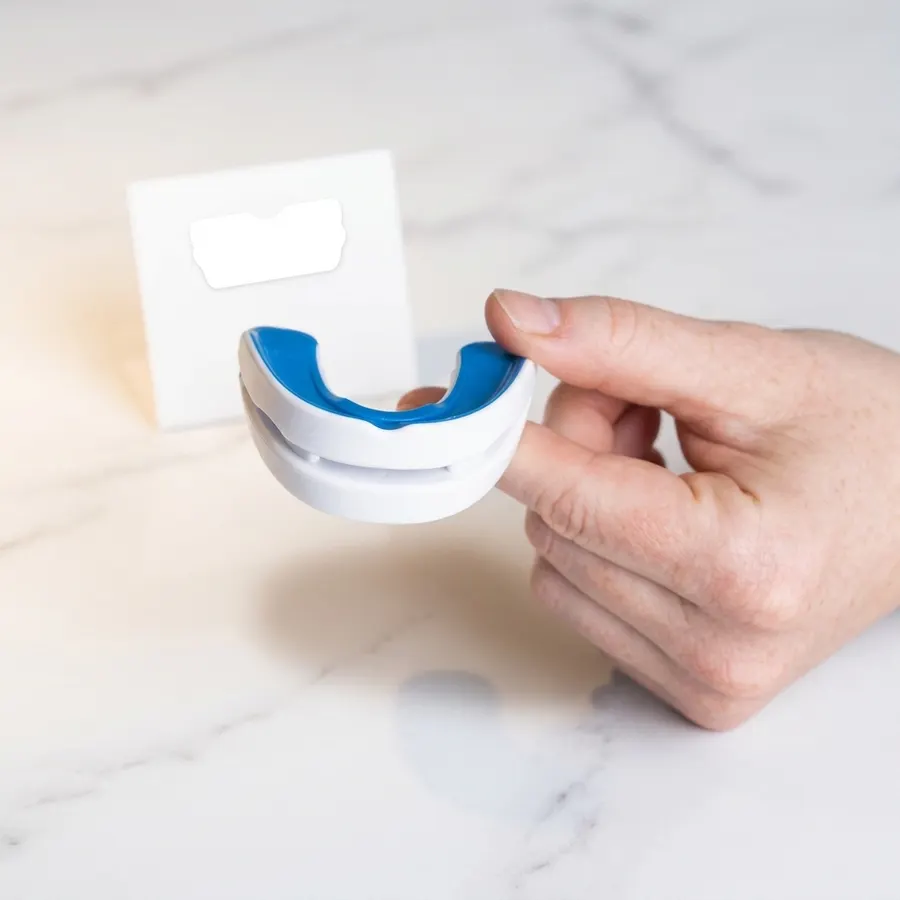
Here's what you're really worried about: it'll feel like plastic and land in the nightstand by night two. You mold it to your own teeth at home with a simple boil-and-bite — the same custom fit a dentist charges around $3,000 for.
The patented Accu-Adjust System lets you nudge the fit in 1mm steps until it sits right for your jaw.
It's FDA-cleared, made in the USA, and comes in a women's size cut 10% smaller. More than 600,000 people have used it. Most notice quieter nights within the first few.
What changes when the noise finally stops?
The point was never a quieter room for its own sake. what an unbroken night gives back the next day — and to the person sleeping beside you.
What makes it actually work?
Most anti-snoring gadgets are one-size, take-it-or-leave-it plastic. The details below are why this one is built to actually stay in your mouth long enough to work — and why women past 35 keep it in past night two.
Why women over 35 keep coming back to this
Better sleep quality within the first few nights
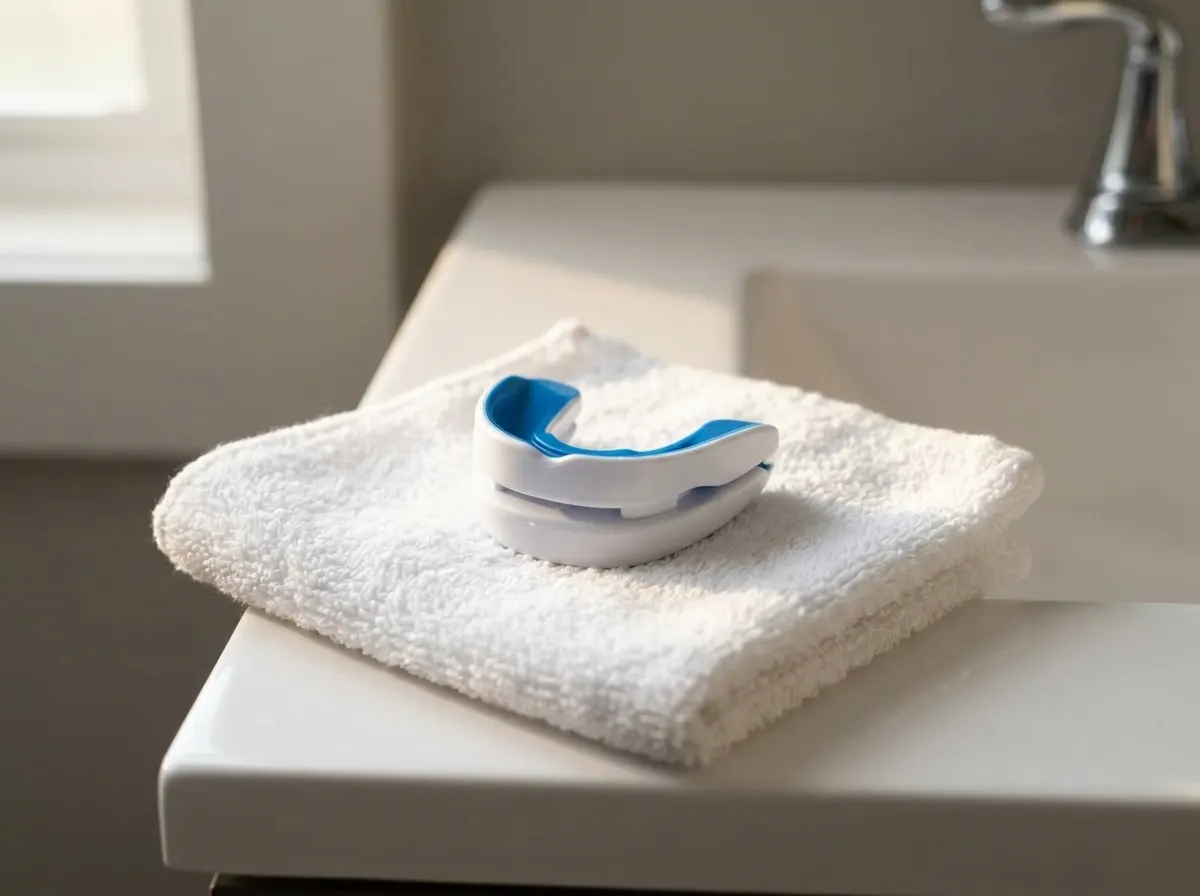
Most users notice improvement by night 3–7, when the device settles in and the airway opens enough to reduce nighttime wake-ups. The result is deeper, uninterrupted sleep—the kind where you actually wake up refreshed instead of groggy. That shift happens because the lower jaw is gently positioned forward, allowing steady breathing throughout the night.
 2
2
Comfort adapts faster than skeptics expect
The hesitation most women carry—'I'll hate having this in my mouth'—undersells how quickly the body normalizes. Nights 1–3 are adjustment; by night 4, the mouthpiece feels routine, not foreign. The boil-and-bite custom mold (no $3,000 dentist fitting required) and women's-specific sizing mean it sits exactly where it needs to, not loose or pinching.
 3
3
Repair the bedroom dynamic by cutting snoring over 90 percent
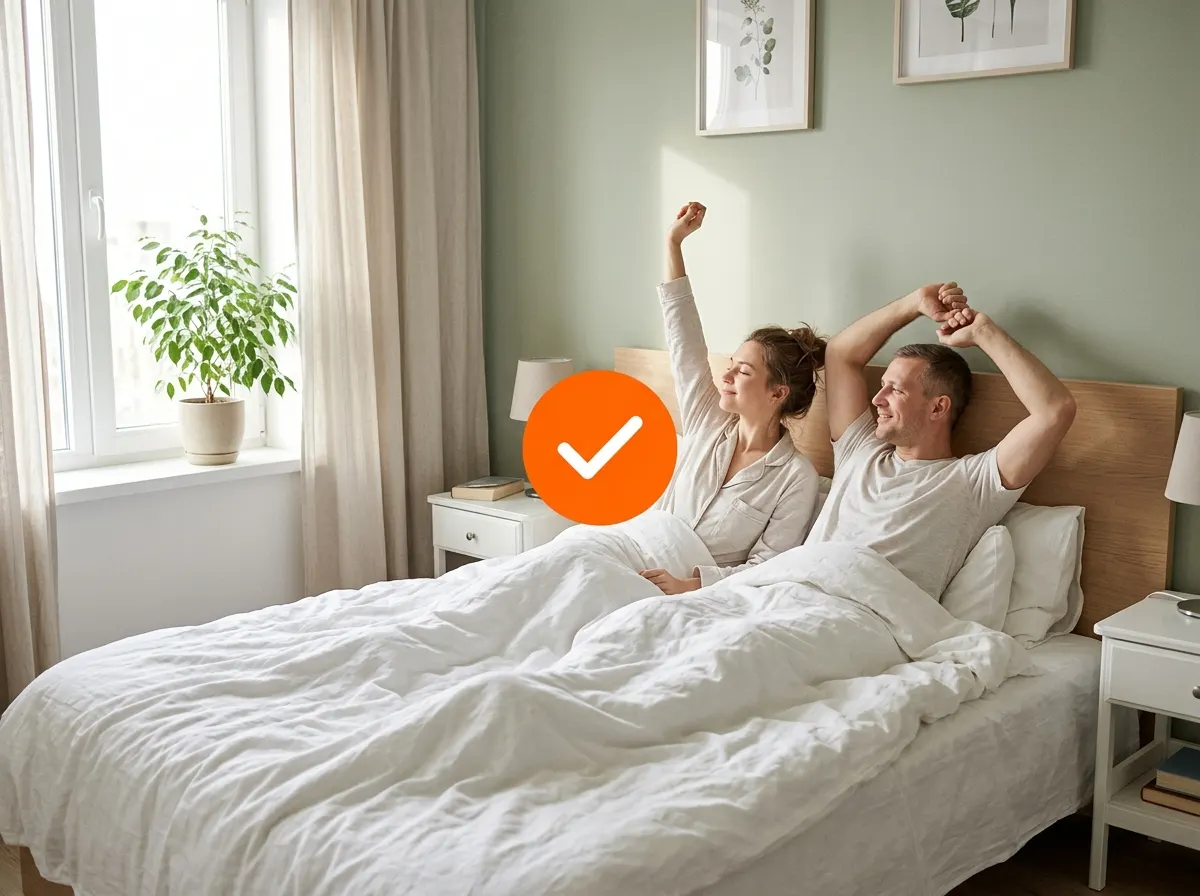
Snoring creates resentment—your partner can't sleep, you feel guilty, the bedroom stops being a refuge. Over 90% reduction for many users means your partner finally gets the quiet night they've been losing. That shift rewires the entire bedroom dynamic: shared space, shared rest, and the return of the intimacy that sleep deprivation erodes.
 4
4
Adjustable fit means one device works for months of changes
Your jaw and comfort needs shift—a device locked into one setting becomes a drawer fixture. The Accu-Adjust System lets you fine-tune in 1mm increments as your fit settles or life changes. That precision engineering (patented, USA-made) keeps the device earning its place instead of becoming another failed wellness purchase.
 5
5
60-day refund window removes the financial risk of trying
At $139.95 with a full money-back guarantee, the actual risk of sleeping with this device for 60 nights is zero—not if you hate it, not if it doesn't work. Free 2-way shipping and size exchanges mean trying a different fit costs nothing. That's how the brand builds trust: you don't buy faith; you buy proof, risk-free.
From Real Customers
The worry is always the same: that it'll feel weird and get abandoned. So here's what women who pushed past night two actually experienced once the fit dialed in.
What do the first 30 days look like?
Honesty matters more than hype here — yes, it feels strange the first night or two. Knowing what each stretch of nights should feel like is the difference between adjusting and quitting early.
How does it actually compare?
The two usual paths are a $3,000 custom dentist device or a cheap knockoff from an online marketplace. Here's where this lands between them — and why the middle is the point.
- One-size-fits-all mold causes discomfort
- Stuck at initial fit; no adjustment options
- Cheap overseas manufacturing, quality inconsistent
- Results take weeks or don't materialize
- Generic mold works for some; fails for others
- Customer service unavailable after purchase
- Custom boil-and-bite mold at home, no dentist
- Accu-Adjust System: 1mm precision tweaks anytime
- FDA-cleared, made entirely in USA
- Most users notice quieter nights within days
- Women's sizes 10% smaller for true fit
- Founder-led support, 60-day refund guarantee
Ready to Start?
The questions women ask before they try it
Before they order, most women want the same things answered: won't this feel awful all night? Is it really different from the cheap ones? And what happens if I hate it? Here are the honest answers.
Get Your Nights Back