He Tried Every Mouthpiece for Years — Then Found the One Adjustable Detail That Finally Quieted the Bedroom
After his wife retreated to the sofa, a 1mm-at-a-time jaw adjustment opened his airway enough that both of them woke up rested again — here's how the fit works.

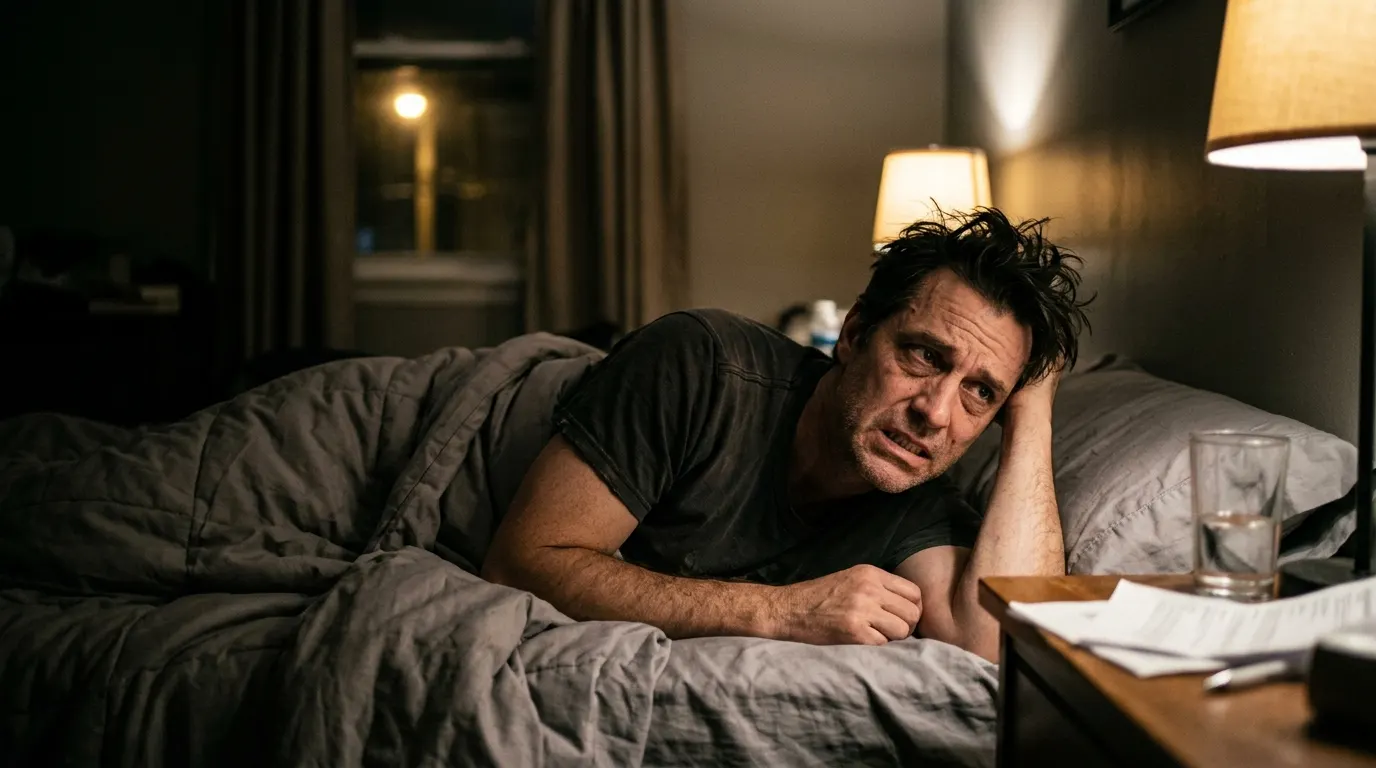
For two years, he slept in the spare room. Not because the marriage was failing — because his snoring was loud enough to rattle the wall, and his wife had quietly given up and taken the sofa.
He'd tried the strips, the pillows, two different mouthpieces he found online. Nothing held. Every night ended the same way: him on one side of the house, her on the other, both of them tired.
Why does the snoring keep winning?
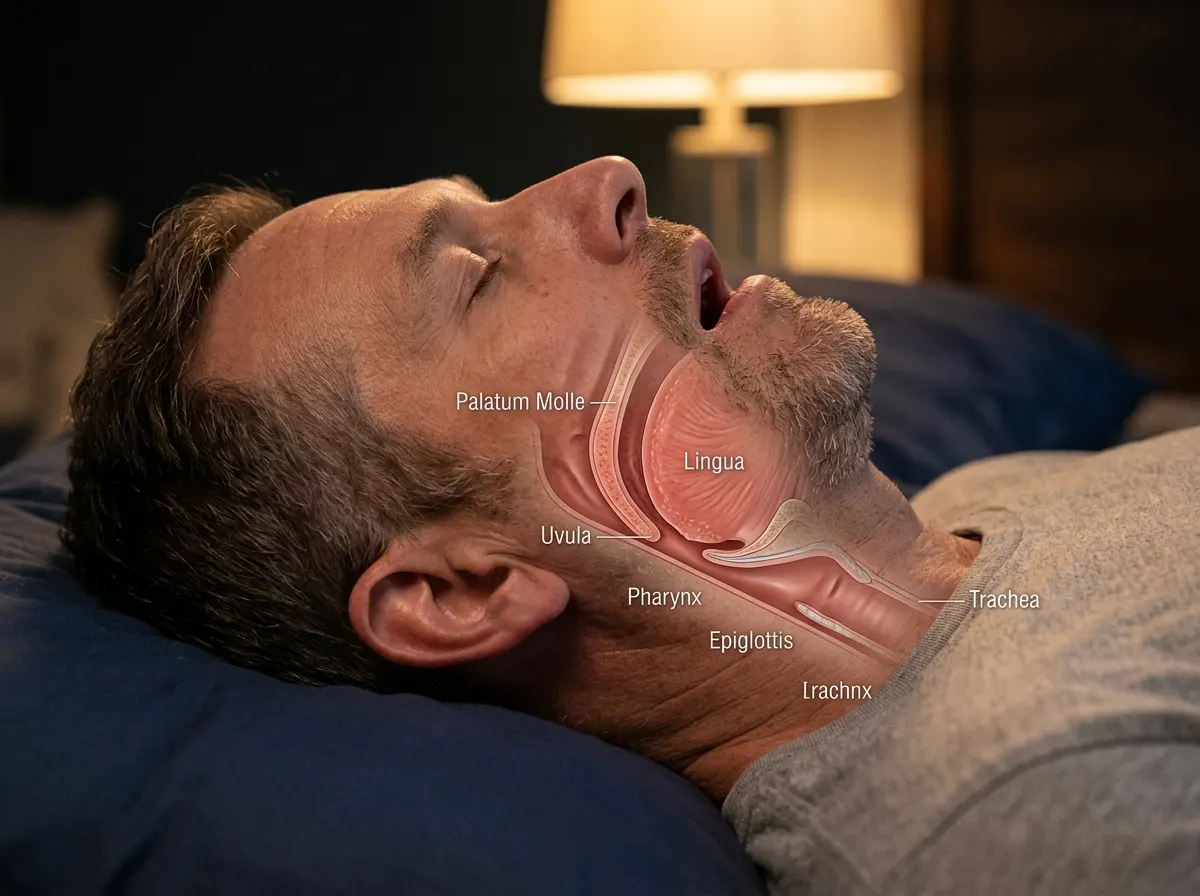
Snoring crept in.
So you researched. You learned the throat tissue relaxes at night, the jaw drops back, the airway narrows, and the air starts to vibrate.
You know the word for the fix — mandibular advancement, which just means nudging the lower jaw forward to keep that airway open.
And still you're stuck. The dentist version runs $800 to $2,000.
CPAP means a mask, a hose, and a machine humming all night. The cheap mouthpieces you tried felt like a one-size guess that never quite fit. You're not short on options — you're short on proof that any of them will work for you.
So why do most mouthpieces stop working?
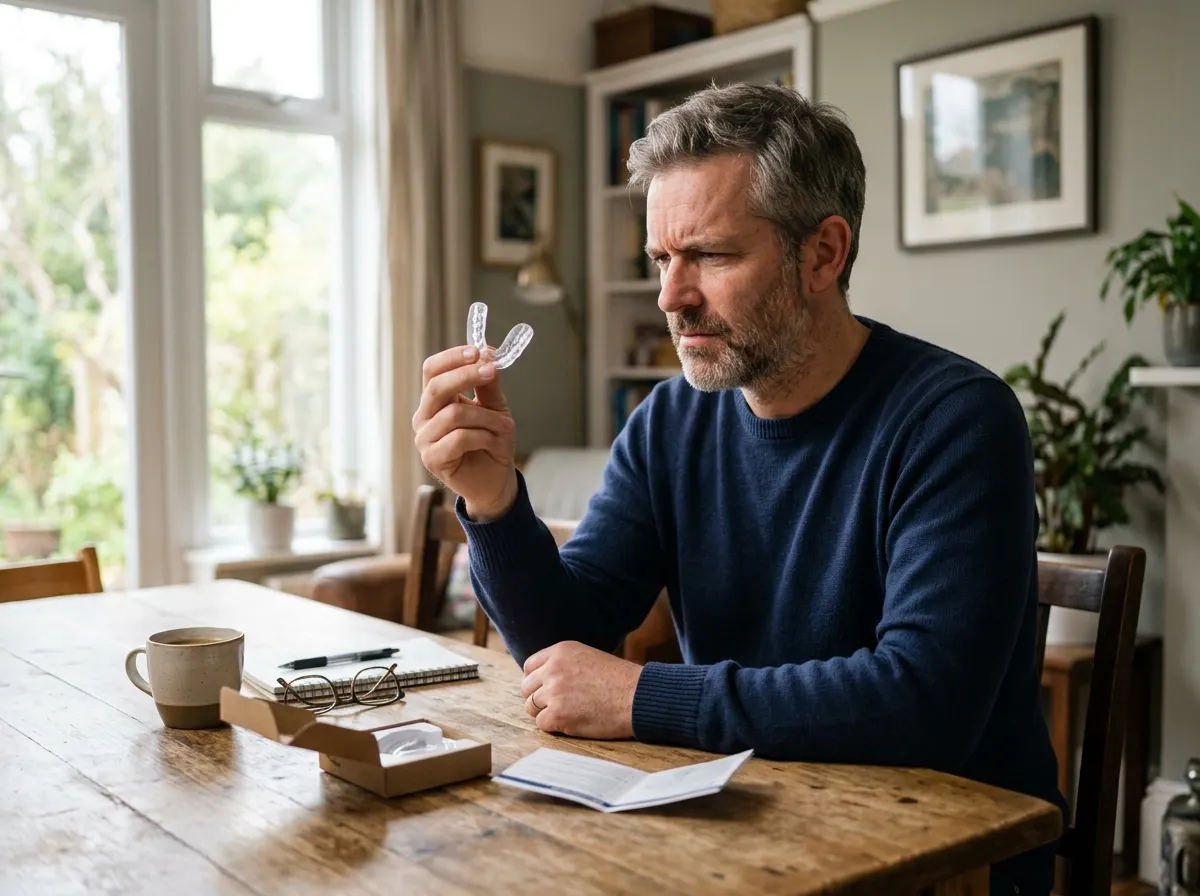
Almost every cheap mouthpiece locks your jaw in one fixed position.
But airways aren't one-size. Push the jaw too little and the airway stays narrow, so you keep snoring.
Push it too far and your jaw aches all night, so you quit by week two. Call it the fixed-jaw guess — the single reason a device can fit your teeth perfectly and still do nothing for your sleep.
The dentist solves this by hand-tuning the position. That's most of what you're paying $2,000 for. The real question isn't whether a mouthpiece can open your airway — it's whether you can dial in how far without a dental chair.
What did the adjustable fit actually change?
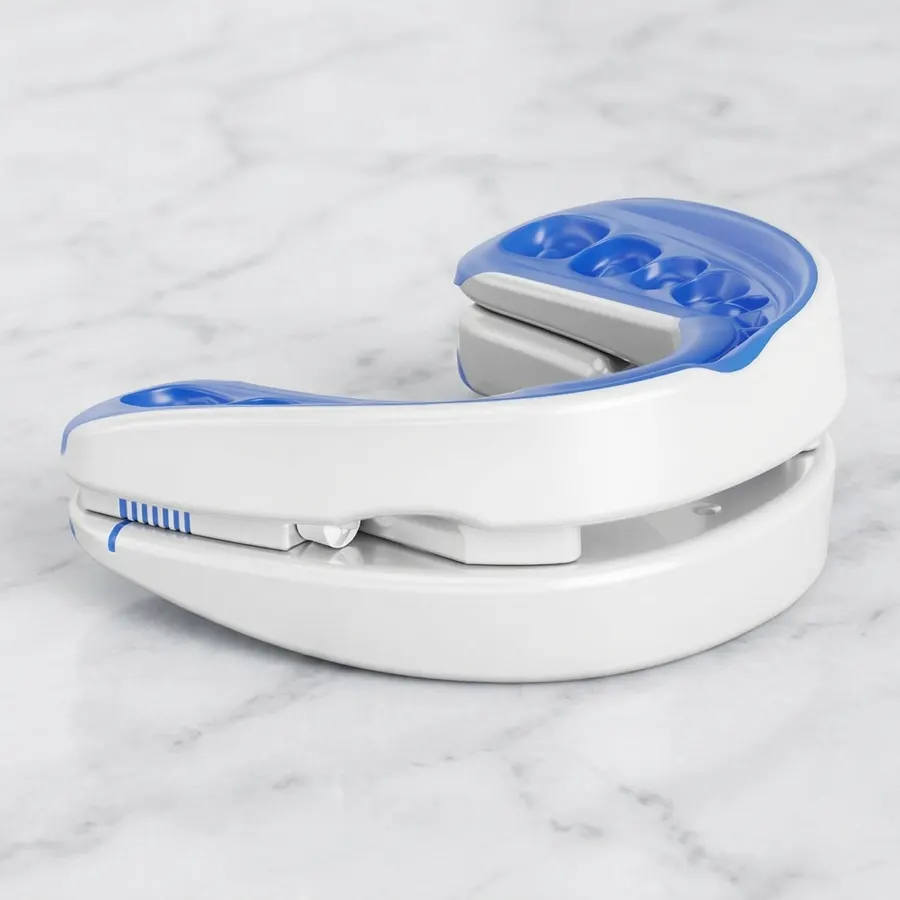
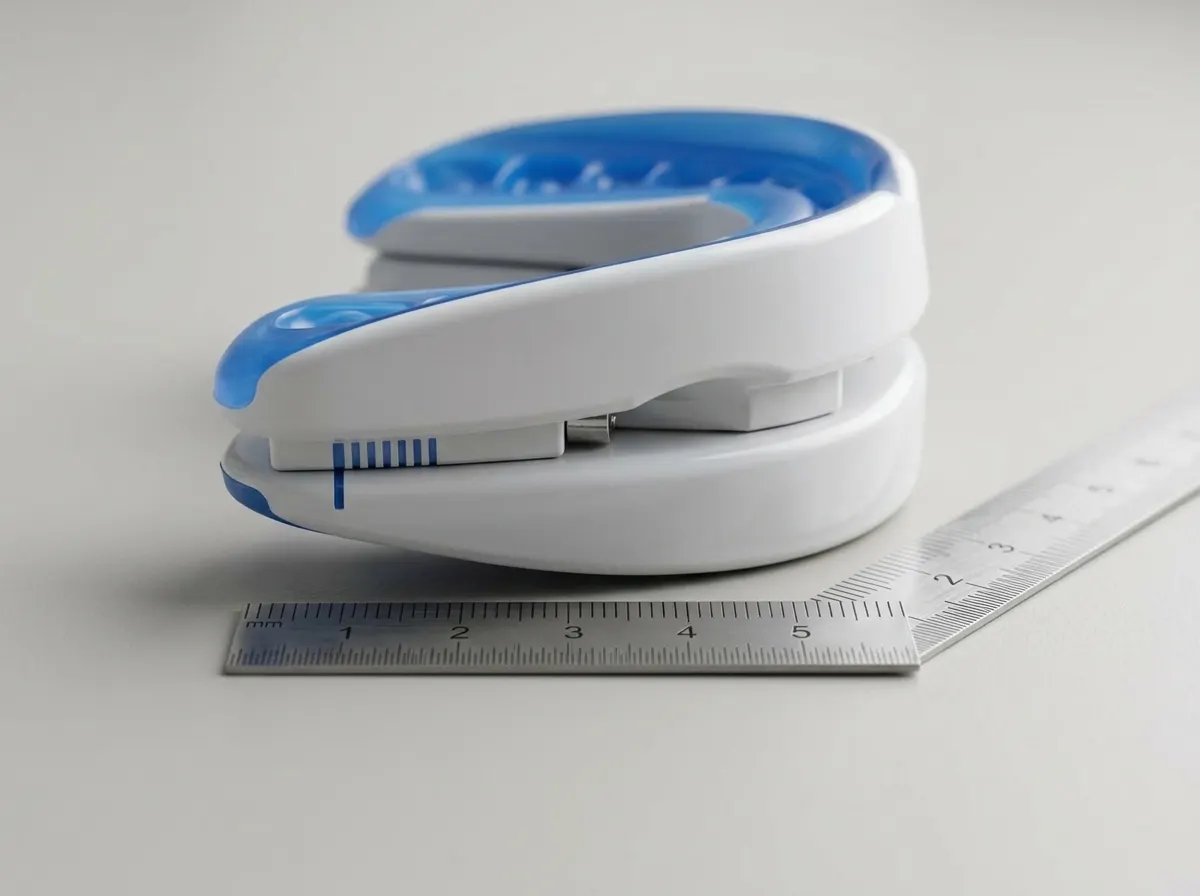
VitalSleep has the answer: a patented Accu-Adjust System — a small dial that moves your lower jaw forward in 1mm steps, anywhere from 0 to 8mm.
No more guessing. You tune it the way the dentist would.
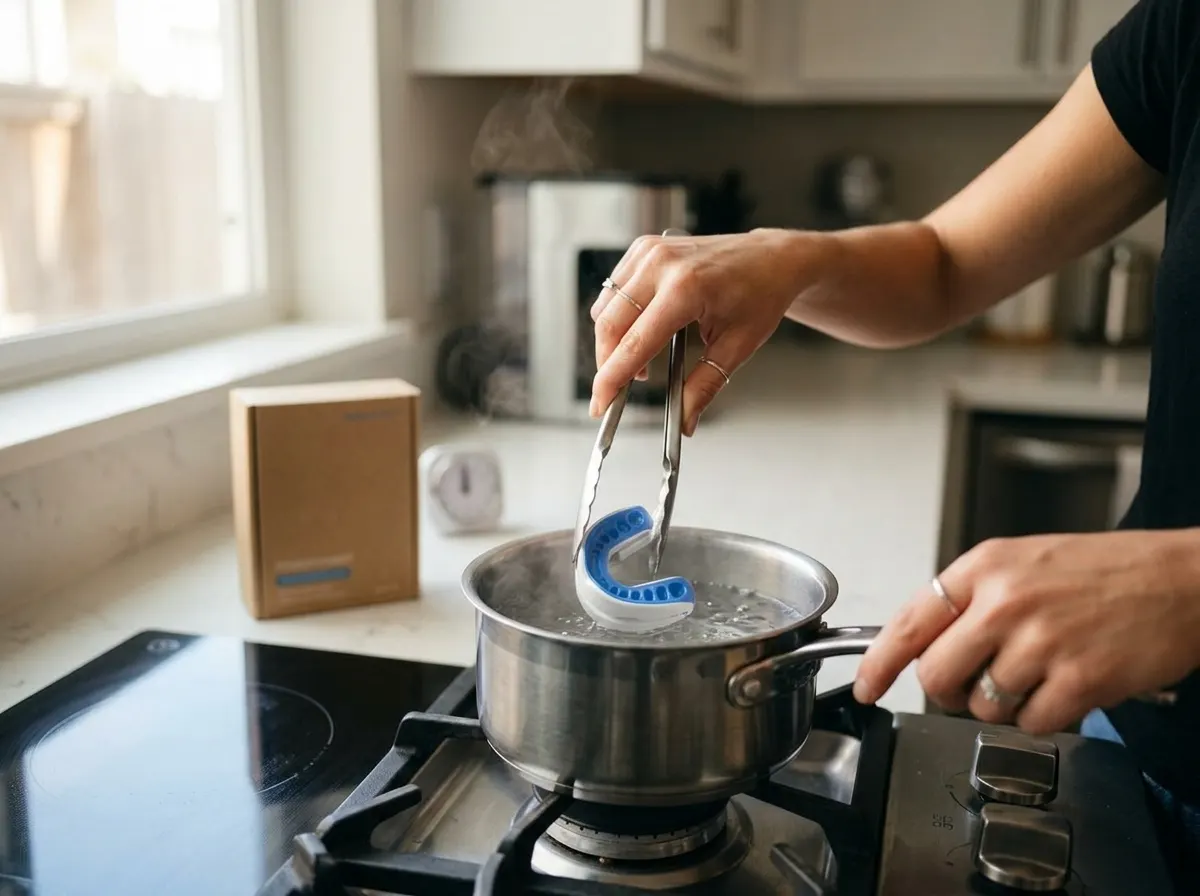
You boil-and-bite it at home in minutes, so it molds to your own teeth — the same custom fit dentists charge thousands for.
Then you advance it one millimeter at a time until the snoring stops and your jaw still feels fine.
It's an FDA-cleared Class II medical device, made in the USA, and used by over 600,000 people — not a gas-station gimmick. One purchase, no subscription, no mask.
He started low and turned the dial up over a few nights. By the end of that first week, his wife told him he'd gone quiet. Two weeks later, she was back in the bed.
What does a quieter airway give you back?
The point was never the device — it was the morning after. When the airway stays open, the wins show up in places snoring quietly stole from for years.
What makes it actually work?
Most of these specs trace back to one idea: let the user control the fit instead of guessing it for him. Here's what's actually built into the device.
Why men 35+ keep coming back to it
 1
1
Mandibular advancement in 1mm increments targets the root cause
Unlike fixed-position competitors, the patented Accu-Adjust System lets users move the lower jaw forward in precise 1mm steps across an 0–8mm range, matching individual snoring severity. This granular control mimics the personalization of a $2,000 dentist-made device without the cost or waiting period.
 2
2
Most users report quieter nights and better sleep by morning one
Clinical evidence shows mandibular advancement devices reduce snoring within the first night when fitted correctly. Real users consistently report noticeable reduction in snoring intensity immediately, with deeper sleep quality and morning alertness following within days, making the 60-day trial window ample time to confirm efficacy.
 3
3
Boil-and-bite custom fit eliminates the $500–$2K dentist appointment
The device molds to each user's unique mouth shape in minutes at home using the same thermoplastic technology dentists employ. This custom fit—previously available only through professional fitting—removes the primary cost barrier and fitting delay, while the 60-day guarantee and free size exchange ensure comfort without professional oversight fees.
 4
4
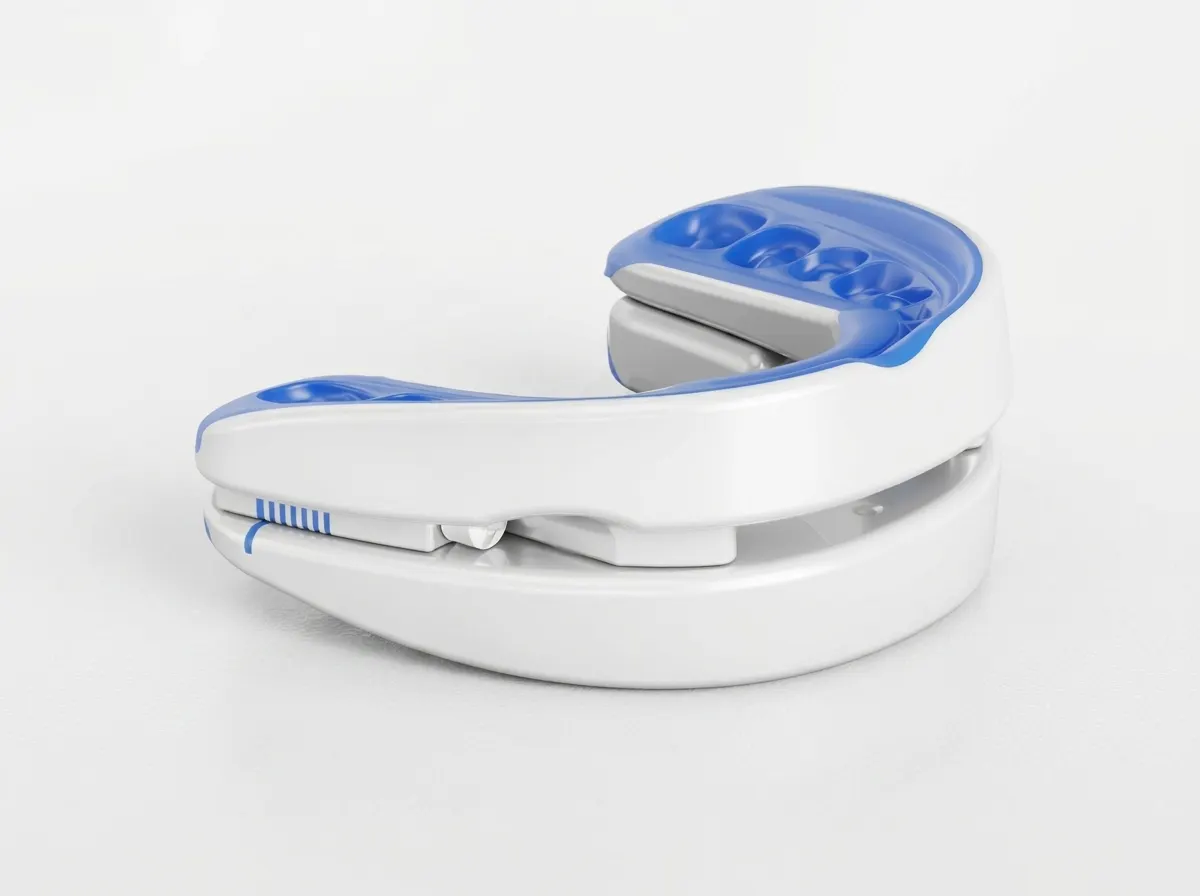
FDA Class II clearance vs. unregulated competitors or CPAP trade-offs
This device carries FDA Class II medical clearance for snoring relief—clinical validation that mass-market generics and noise-masking alternatives lack. For men evaluating CPAP as the default medical option, a cleared mandibular device offers airway opening without the mask claustrophobia, strap marks, or nightly bulk that drive CPAP abandonment.
 5
5
Separate men's and women's sizing closes the fit-failure gap
One-size-fits-all mouthpieces account for a majority of snoring-device returns and ineffectiveness complaints. Men's and women's anatomical sizing—combined with boil-and-bite molding—ensures the device contacts the lower jaw correctly for reliable advancement, addressing the most common reason users abandon other brands before the fit-critical first 14 days.
From Real Customers
The pattern in the feedback is consistent: men who'd tried other mouthpieces, masks, even surgery, describing the night the bedroom went quiet again.
How long until you notice a difference?
This isn't a slow build like a supplement. Because you adjust the fit yourself, the change tends to track with how far you've dialed the jaw forward — and most people feel it fast.
How does it actually compare?
For a man weighing this against a dentist device, a CPAP, and the cheap fixed-jaw mouthpieces online, the real differences come down to fit control, cost, and what you have to tolerate to sleep.
- One fixed jaw position causes limited adjustment flexibility
- No anatomical sizing difference between men and women
- Requires expensive professional dental fitting ($500–$2,000)
- Generic one-size-fits-all design misses individual mouth shape
- Often fails for users with previous unsuccessful brand attempts
- No FDA medical device clearance for clinical credibility
- Accu-Adjust System enables 1mm incremental jaw positioning (0–8mm range)
- Separate men's and women's sizes match anatomical differences
- Boil-and-bite custom fit at home eliminates dentist cost
- Custom-molded to your unique tooth and jaw structure
- Adjustability helps users who failed with non-adjustable alternatives
- FDA-cleared Class II medical device validates snoring relief mechanism
Ready to Start?
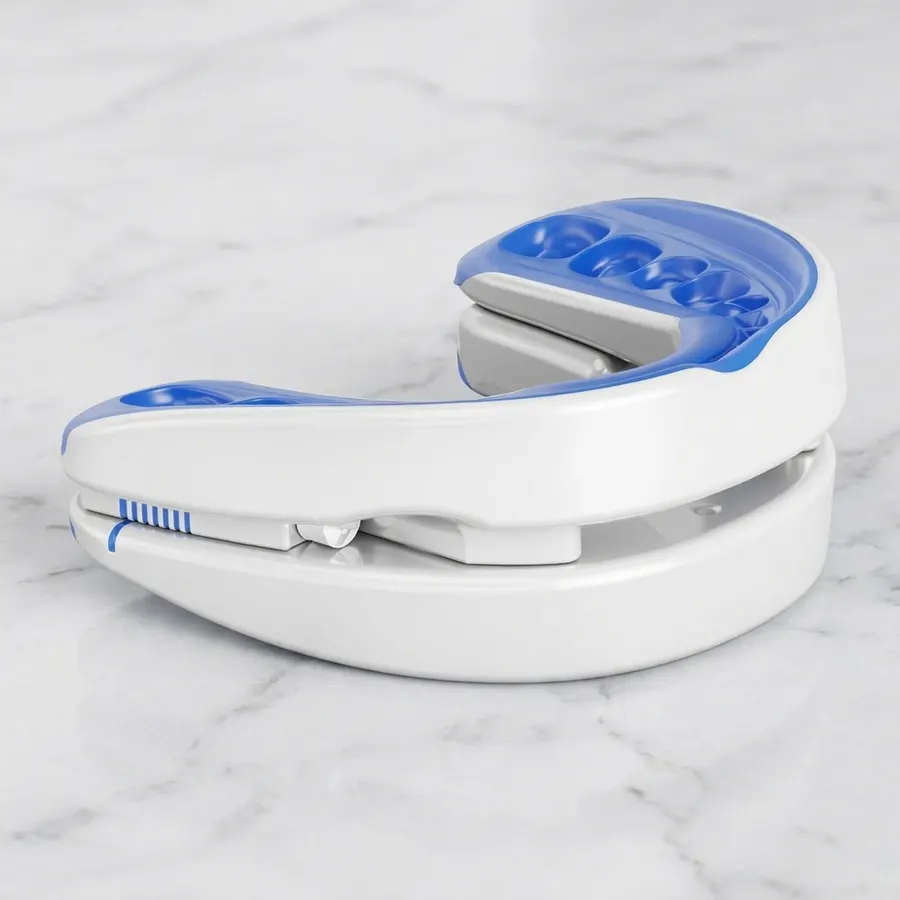
The questions every researcher asks first
If you've spent months comparing devices, you already have the hard questions: will a $150 home-molded device really beat the $800 dentist option, how do I know it'll fit, and is 60 days enough to be sure before I give up on CPAP?
Quiet the bedroom tonight